Upgrading Fire Safety Facilities: TDRI Partners with the National Fire Agency to Redesign Emergency Exit Light Indicators
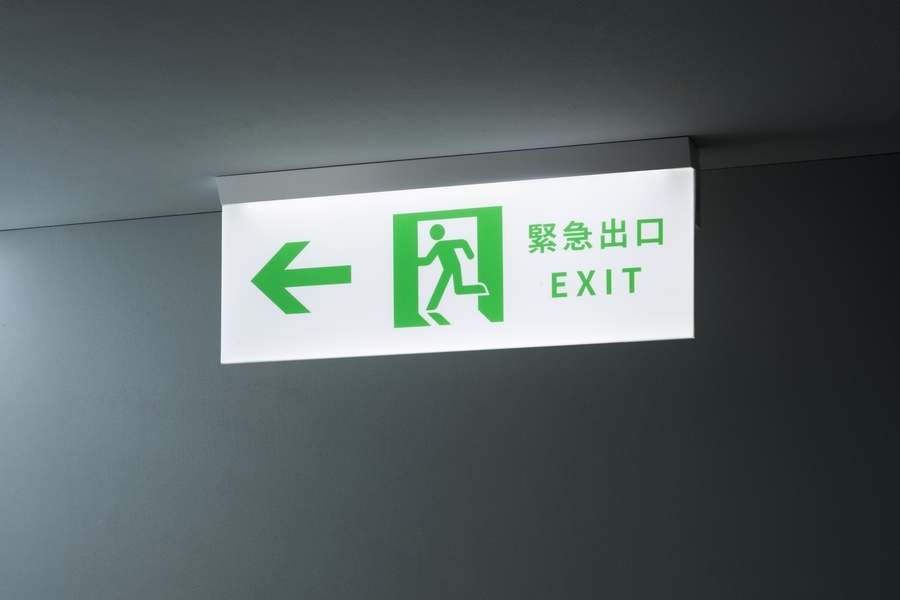
Comprehensive Upgrades from Product Structure to Installation and Maintenance: Driving Industry Standard Elevations via Open-Source Demonstration Designs
Building on their 2020 collaboration on public fire safety redesign, the Taiwan Design Research Institute (TDRI) has once again partnered with the National Fire Agency (NFA) of the Ministry of the Interior, with support from the Industrial Development Administration (IDA). Focusing on emergency exit indicator lights commonly found in public spaces, the initiative aims to upgrade the foundational design of fire safety facilities. A results-sharing event was held on November 19 to present the cross-disciplinary research and demonstration design outcomes of this project.
Under the premise of strictly complying with fire safety regulations and inspection standards, the project refines product structures and detailed specifications to resolve long-standing issues such as overly prominent component aesthetics, poor integration with architectural environments, and maintenance inconveniences. It delivers a practical, scalable solution that balances safety, design excellence, and industrial feasibility.

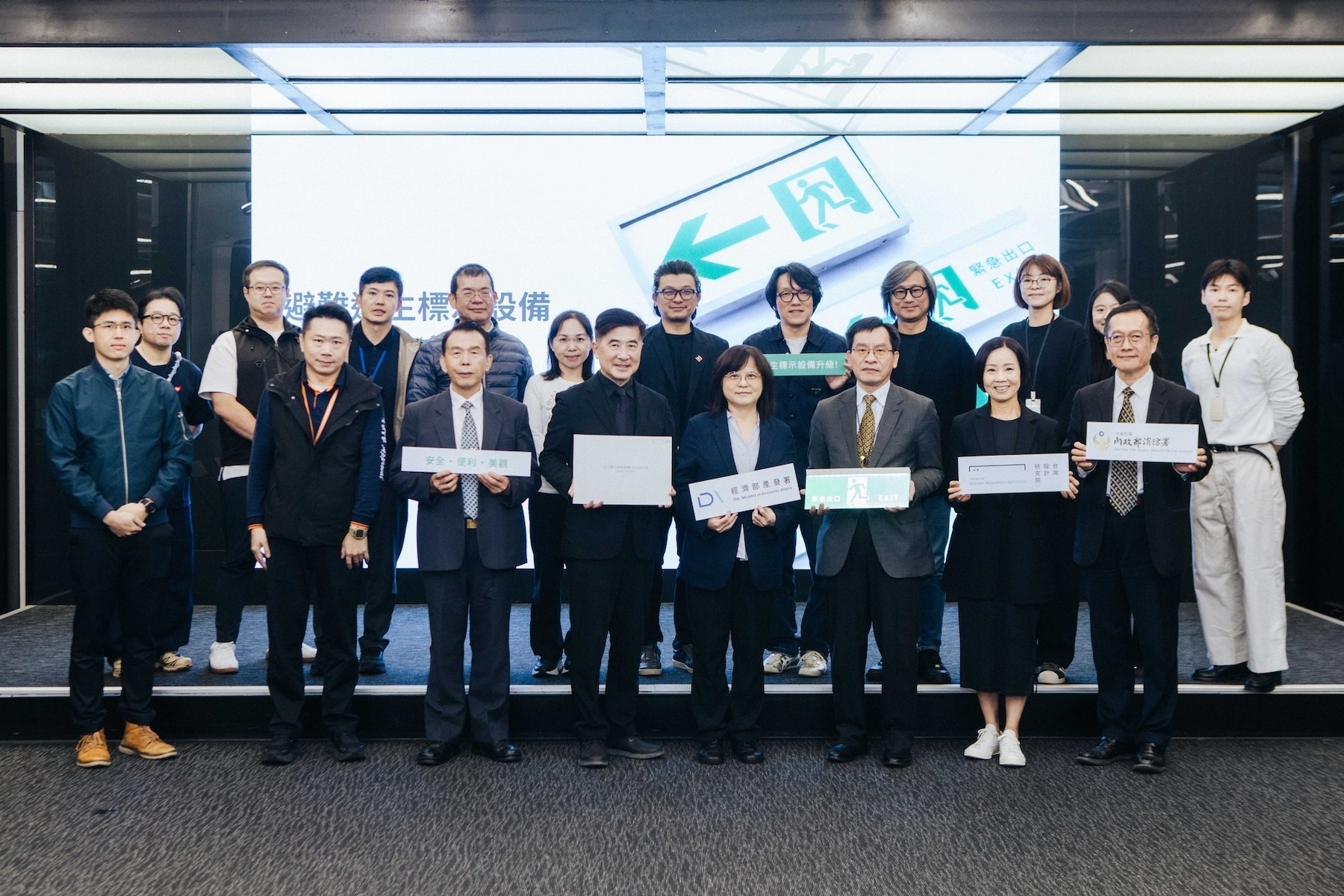
▲ Co-creating organizations, from left: Chi-Yi Chang, president of TDRI; Chia-Feng Lee, division director of IDA, MOEA; and Chih-Chiang Cheng, chief secretary of NFA, MOI.
Re-examining Exit Indicators: Moving from Compliance to Spatial Elevation
Emergency exit indicator lights are widely installed across hospitals, transit stations, shopping malls, and public buildings, serving as vital safety equipment to guide evacuation routes during emergencies. However, existing market products are mostly assembled from aluminum extrusion frames, light guide plates, and mounting brackets, exhibiting a heavy industrial equipment aesthetic. Furthermore, diverse installation conditions often lead to exposed wiring, obtrusive brackets, crooked mountings, or a lack of visual harmony with ceilings, walls, and other signage. These issues affect overall spatial quality and reflect a gap between product design and practical installation requirements.
The TDRI team observed that while exit indicator lights are essential fire safety equipment governed by strict codes, they are also public fixtures that people interact with daily. Therefore, this project goes beyond cosmetic enhancements to address underlying product structures, installation methodologies, and ongoing maintenance—ensuring safety equipment can be effortlessly installed while seamlessly blending into diverse public environments.
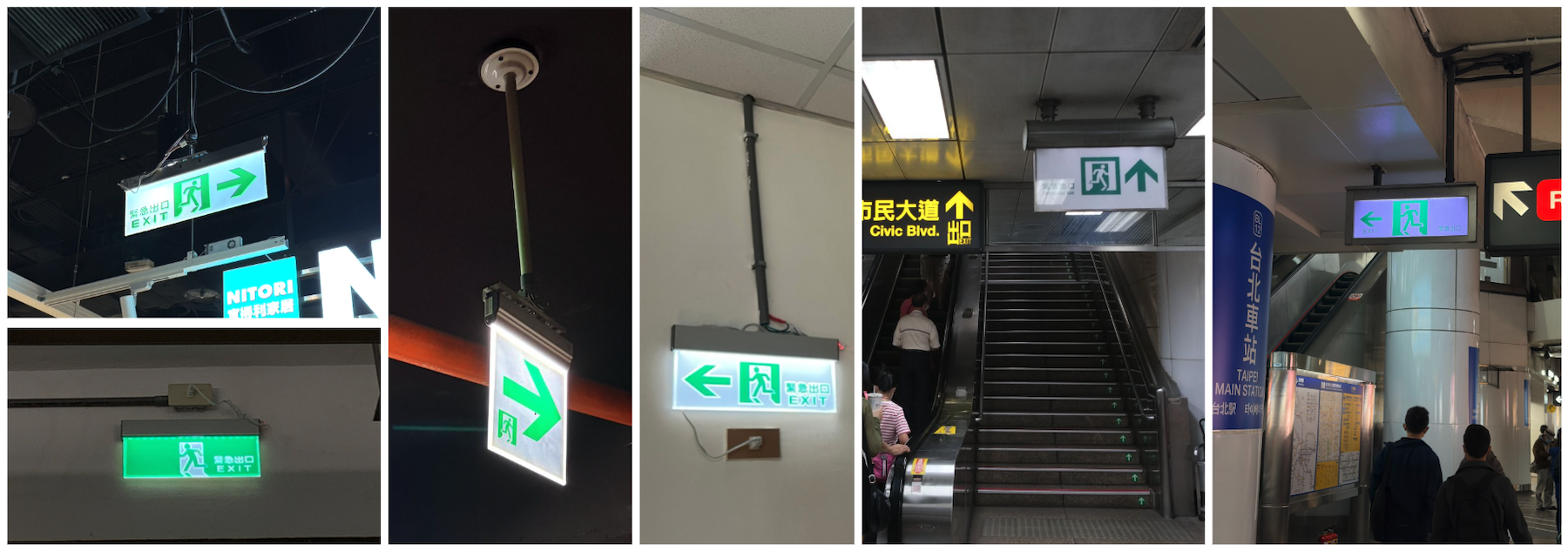
▲ Existing emergency exit lights in Taiwan are mostly assembled from separate components, with mounting interfaces that blend poorly into their surrounding environments.
Engaging Seven Interdisciplinary Experts to Identify Opportunities Across Regulations, Manufacturing, and On-Site Installation
To ensure the design outcomes are viable for practical application, TDRI and NFA jointly launched an interdisciplinary collaboration. They invited seven experts specializing in fire safety regulations, product testing, industrial manufacturing, product design, and spatial design to serve as advisors, examining the design challenges of emergency exit signs from diverse professional perspectives.
According to the NFA, the collaboration builds on the success of past public fire safety redesign initiatives. Through the team’s specialized research and cross-disciplinary integration, the effort has helped the agency re-examine usability issues and improvement needs for existing equipment from new angles, offering a key reference for the ongoing advancement of fire safety facilities.
Operating on the premise of full compliance with existing fire codes and inspection requirements, the project conducted in-depth research into manufacturing processes, product structures, installation methods, and maintenance needs to identify potential constraints from the factory floor to the installation site. By synthesizing cross-disciplinary insights, the team sought design opportunities that could effectively enhance product quality and usability without requiring major overhauls to existing industrial manufacturing processes.
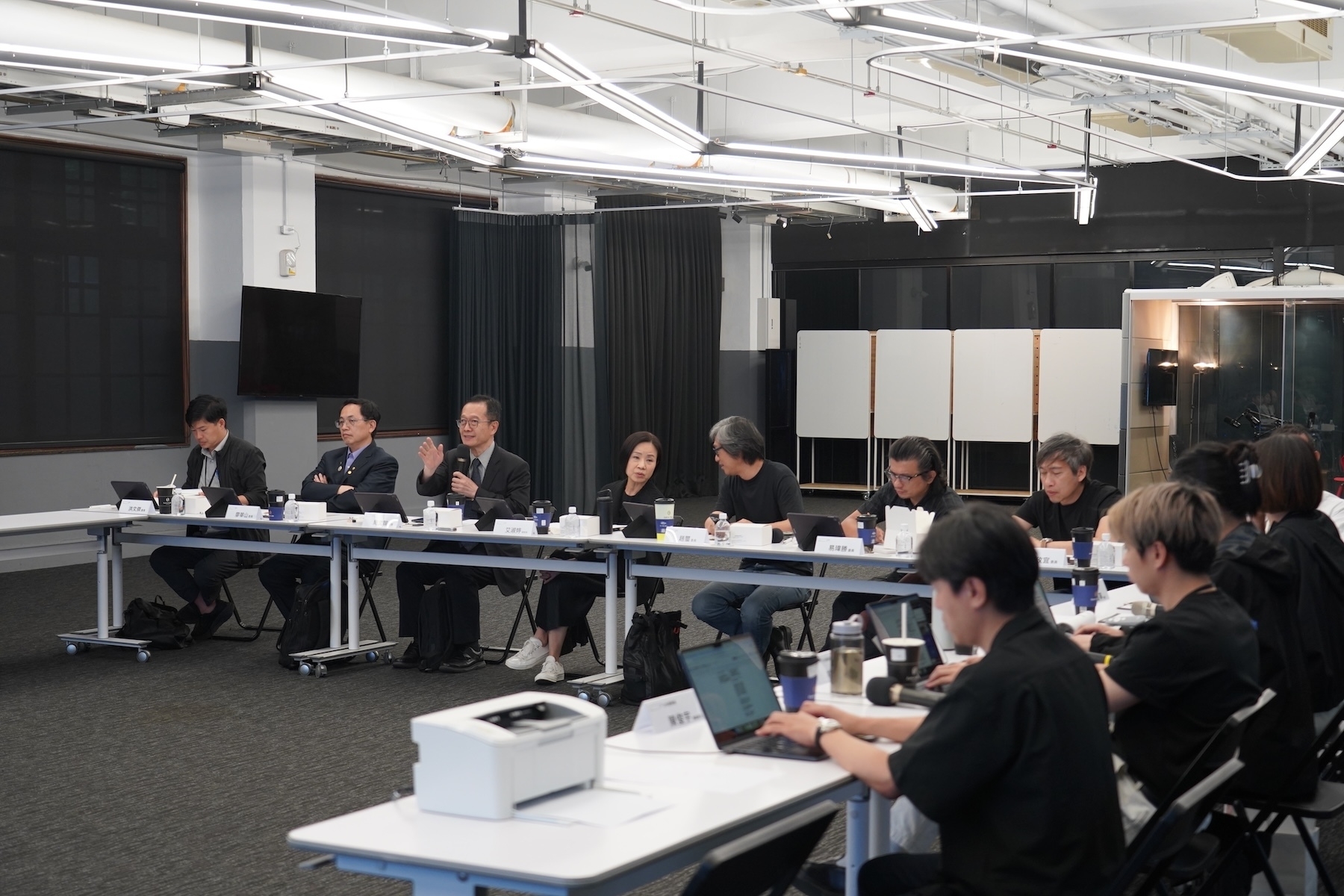
▲ Interdisciplinary experts gather to jointly advise on the project.
Comprehensive Structural and Detail Upgrades to Enhance Architectural Integration
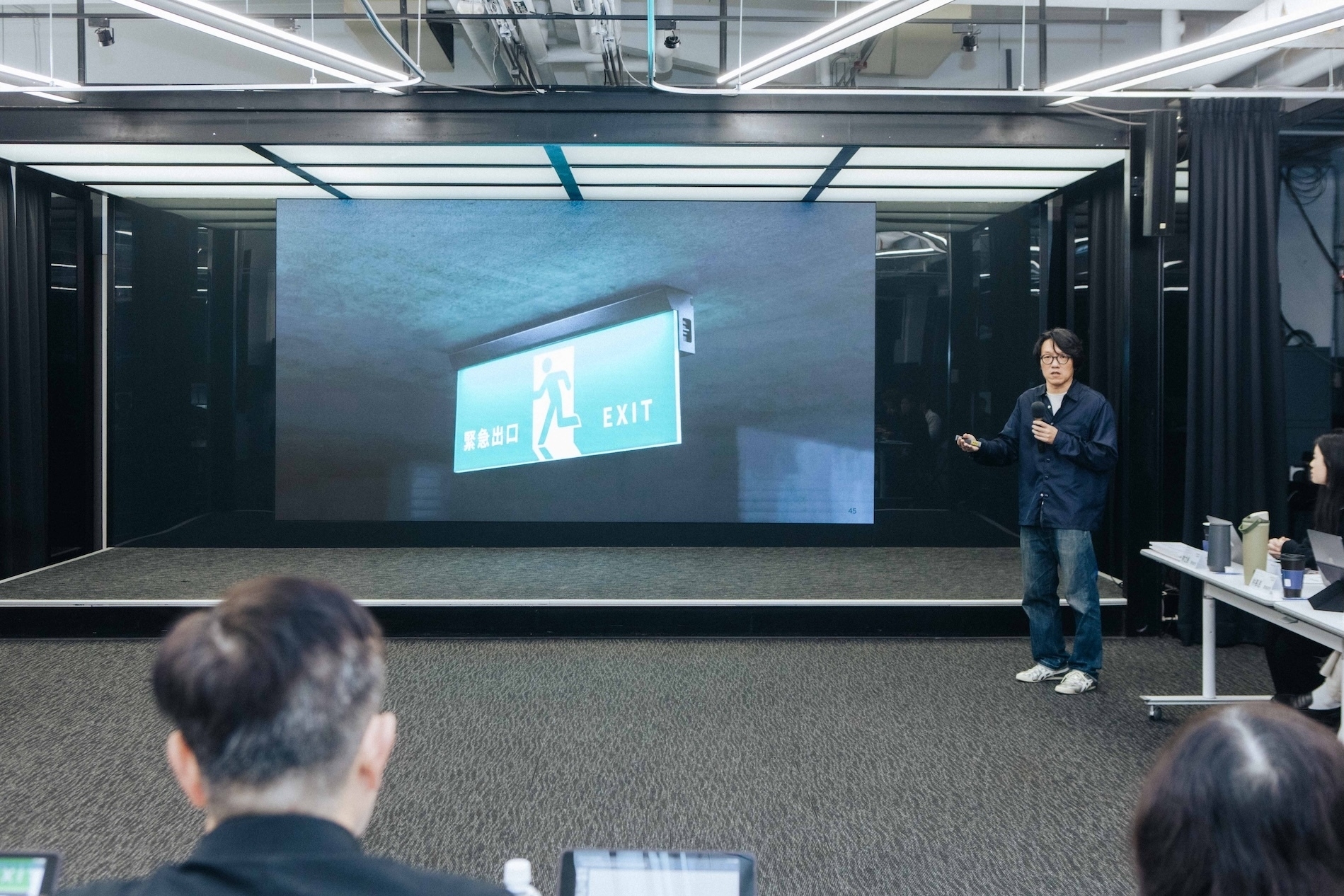
▲ Design Director Yu-Jui Chou explains the design outcomes.
With "Foundational Structural Upgrade" as the core strategy, the demonstration design delivers concrete improvements across three main dimensions: product appearance, installation convenience, and maintenance efficiency.
In terms of product appearance, structural integration and visual slimming techniques reduce the fragmented appearance of traditional multi-component assemblies. The streamlined profile minimizes visual distraction within public spaces.
In terms of installation convenience, considering real-world construction conditions across diverse architectural settings, the design incorporates multiple wiring outlets, cable management channels, and alignment indicators within the fixture body. This enables installers to manage wiring cleanly and align fixtures accurately according to field conditions, preventing exposed cables and crooked installations while enhancing integration with ceilings and walls.
In terms of maintenance efficiency, the team re-examined the fixtures' upkeep needs through the lenses of product lifecycle and sustainability. Previously, when a component failed or a battery needed replacement, many existing units had to be discarded and replaced entirely. Prioritizing easy component replacement, the new design introduces a slide-out battery compartment that enables maintenance personnel to swap batteries quickly—lowering technical barriers to repair, cutting unnecessary resource waste, and extending product lifespan.
On the manufacturing front, TDRI noted that although the demonstration designs are estimated to raise production costs by about 10%, steady annual market demand and certification volumes for emergency exit signs still give them strong potential for mass production. Moreover, while traditional fixture manufacturing relies heavily on manual processing and assembly, the new design consolidates structural components and optimizes construction, creating opportunities to boost manufacturing efficiency in the future. As industry investment grows and production scales up, unit costs are expected to decline gradually, making these design outcomes—which balance safety, quality, and sustainability—more competitive in the market.
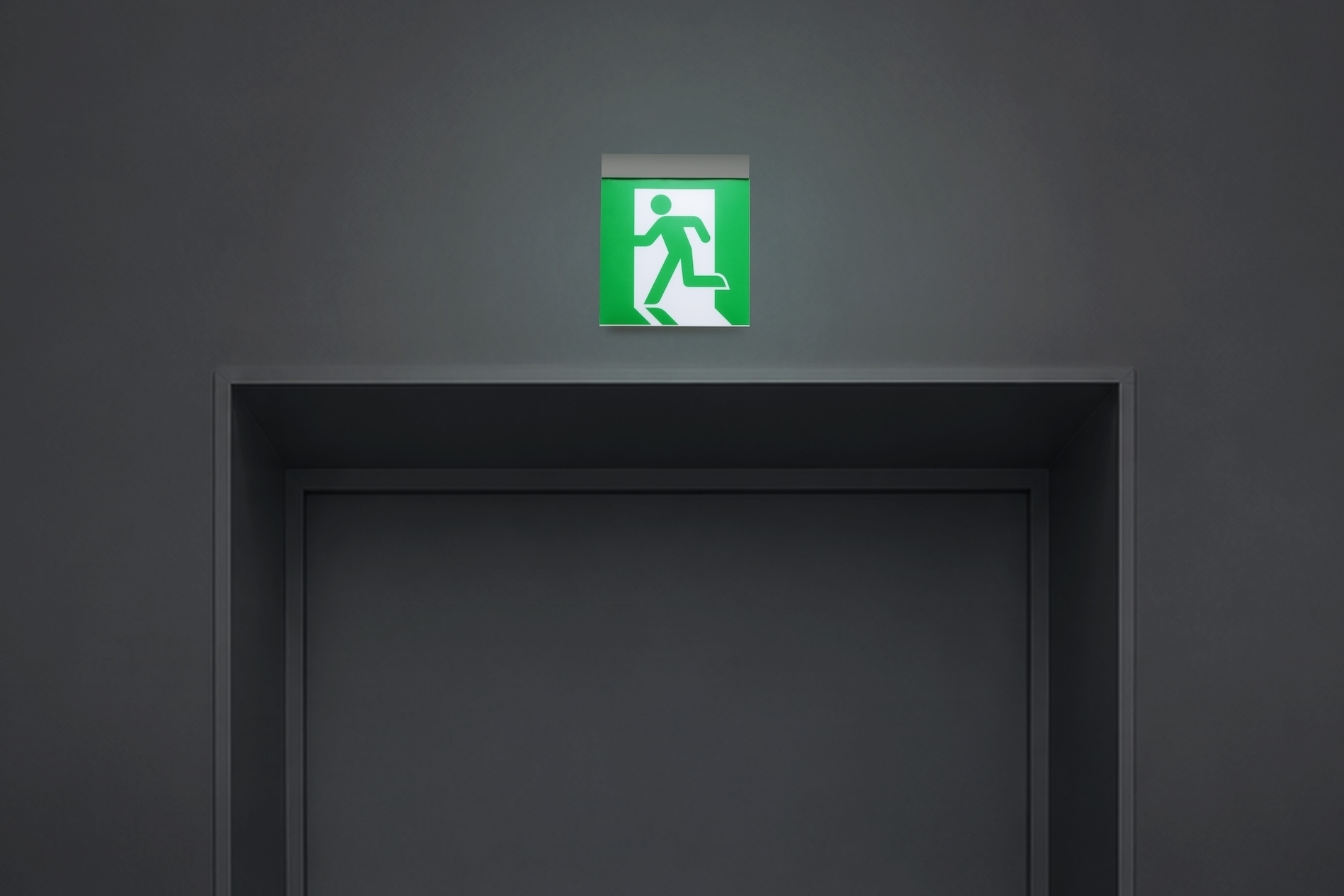
▲ The sleeker design blends seamlessly into the surrounding space.
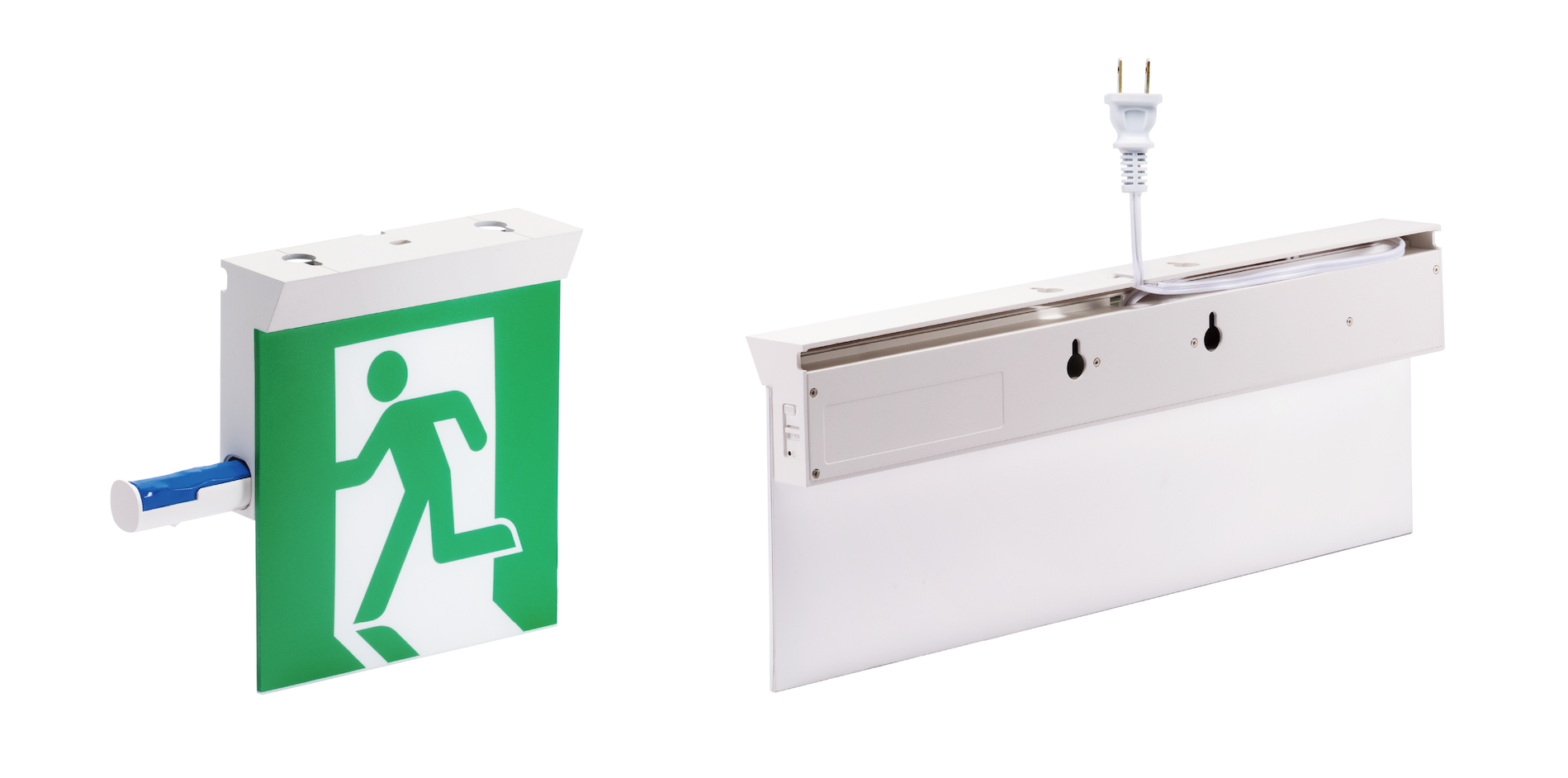
▲ Left: A slide-out battery compartment allows for easier maintenance. Right: Multi-directional wire outlets facilitate installation.

▲ A floor-recessed emergency exit directional sign.
Additionally, for specialized installations such as wall-recessed or floor-embedded fixtures requiring custom short-run productions, the project improved edge detailing and architectural interface transitions. This seamlessly embeds safety fixtures into wall and floor surfaces, further harmonizing them with the surrounding environment.
From Demonstration Design to Open-Source Sharing: Fostering Industry-Wide Application
The ultimate goal of this initiative is not to create a single proprietary product, but to establish foundational design solutions accessible to the entire industry. To maximize public benefit, TDRI is releasing the open-source design files and publishing a comprehensive implementation guideline. The guide systematically details design concepts, product structures, installation specifications, and application scenarios to serve as a reference for future industry developments. Supplementary instructional videos are also provided online to facilitate implementation by manufacturers.
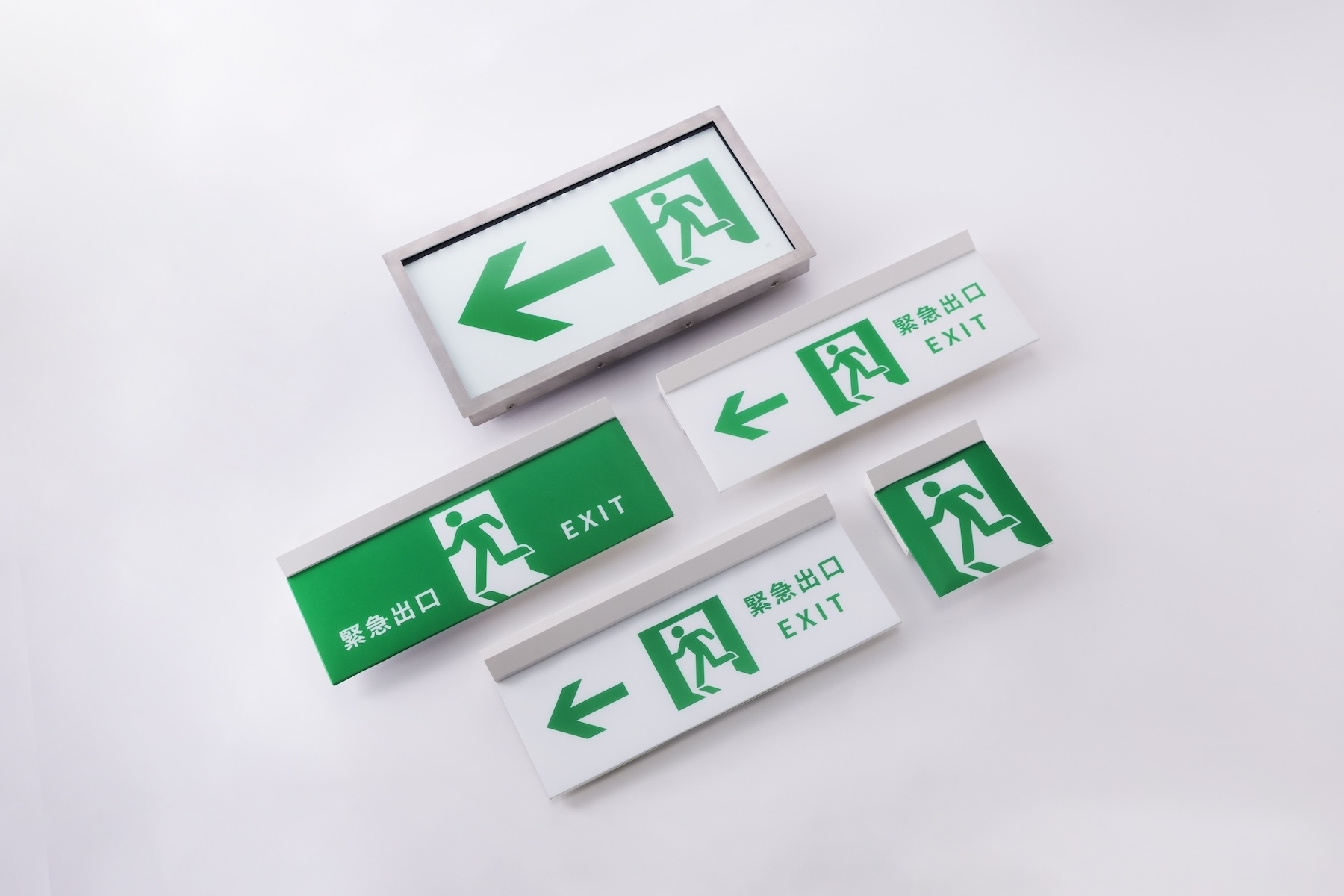
▲ The project provides a series of demonstration designs to serve as a reference for industry development.
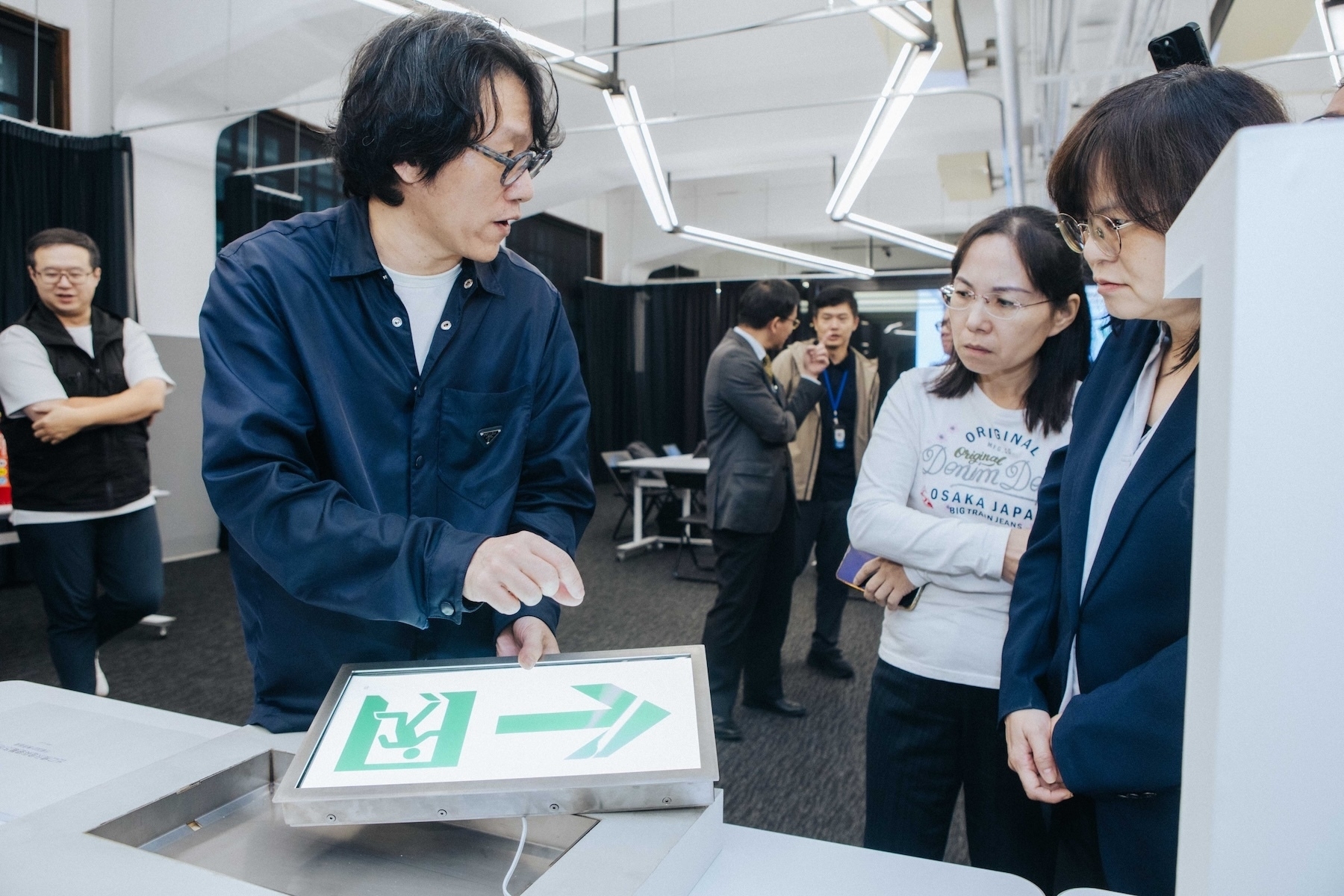
▲ Chou points out the product details of the floor-recessed lighting fixture during a guided tour.
From redesigning fire extinguisher labels and fire hydrant cabinets starting in 2020 to this latest foundational upgrade of emergency exit signs, TDRI has consistently explored ways to improve public safety facilities through design research, interdisciplinary collaboration, and demonstration designs.
Looking ahead, the institute hopes that openly sharing these design outcomes will lower barriers to product development for the industry and drive across-the-board improvements in manufacturing quality, maintenance efficiency, and sustainable design—gradually making public facilities that balance safety, convenience, and environmental quality a baseline standard in everyday life.
Click the link to complete the survey and download the "Emergency Exit Light Indicators Open-Source Files & Implementation Guidelines": https://tdri.surveycake.biz/s/V1yWy
For inquiries, please contact: designcanhelp@tdri.org.tw
Participating Organizations
Organizers | Industrial Development Administration (MOEA), National Fire Agency (MOI)
Executor | Taiwan Design Research Institute (TDRI)
Advisors |
・Lee Cheng-Yi, Founder, Atelier AGI
・Chou Wen-Chih, Section Chief, National Fire Agency
・Yi Wei-Sheng, Chairman, Chinese Industrial Designers Association (CIDA)
・Chao Hsi, Honorary Chairman, Chinese Association of Interior Designers (CSID)
・Liao Hua-Shan, Executive Director, Taiwan Fire Equipment Commercial Guild
・Nina Ay, Vice President, Taiwan Design Research Institute (TDRI)
・Hung Wen-Chieh (Section Chief) & Li Chuan-Chou (Inspection Engineer), Center for Fire Safety Research and Development
Product Design | KEV Design Studio (周育潤設計工作室)
Project Management | Public Service Group, Taiwan Design Research Institute (TDRI)
Special Thanks | Center for Fire Safety Research and Development, Amita Technologies Inc., Red Bridge Co.,Ltd., Great Light Fire Equipment Co.,Ltd., Yiliang Co.,Ltd.