Designing the Setting for International Exchange: Shaping the 2026 Pacific Islands Forum through Space and Apparel
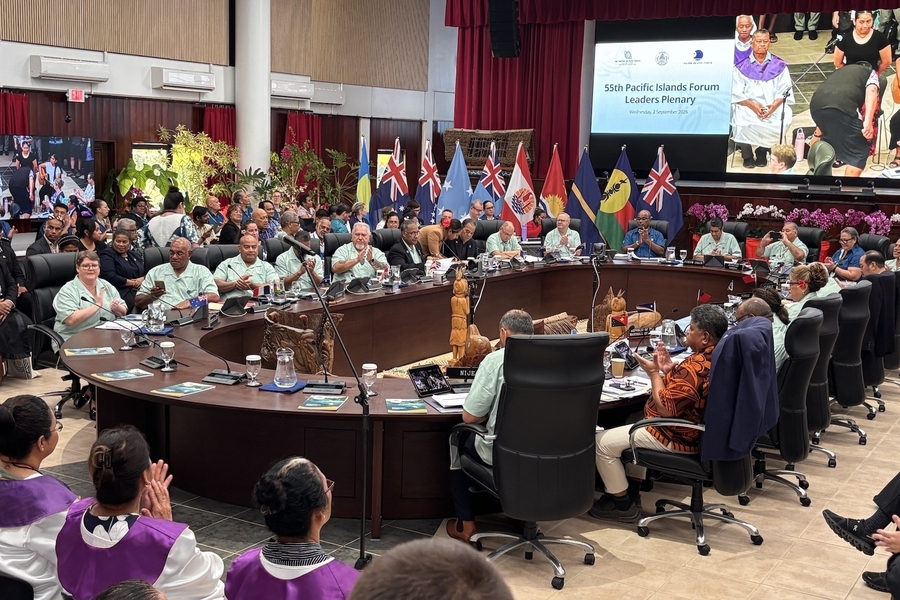
In 2026, the 55th Pacific Islands Forum (PIF) was held in Palau. For the first time, the Taiwan Design Research Institute (TDRI) took part in the PIF, working closely with the Government of Palau, Taiwan’s Ministry of Foreign Affairs, the Embassy of the Republic of China (Taiwan) in Palau, and Taiwanese design and technical teams. From upgrading the Ngarachamayong Cultural Center to designing and producing the PIF Island Shirts and Taiwan delegation apparel, the project applied an integrated design approach to address the diverse practical needs of an international diplomatic event.
As the main venue for the PIF Leaders Plenary, the upgrade of the Ngarachamayong Cultural Center went beyond a conventional spatial renovation. The project reconsidered the venue from the perspectives of how meetings are conducted, how leaders interact, and how technical teams operate behind the scenes. Conference audiovisual systems, lighting, acoustics, furniture, control systems, VIP reception areas, and bilateral meeting spaces were integrated as part of a comprehensive design strategy, allowing design to become an active part of the Forum’s day-to-day diplomatic operations.
Apparel, meanwhile, became another form of cultural communication. In Palau, the Island Shirt carries important cultural significance and serves as a form of formal attire for major occasions, including international gatherings such as the PIF. Rather than creating an entirely new style of dress, the project reinterpreted this established tradition through contemporary design while respecting local cultural context and wearing conventions.
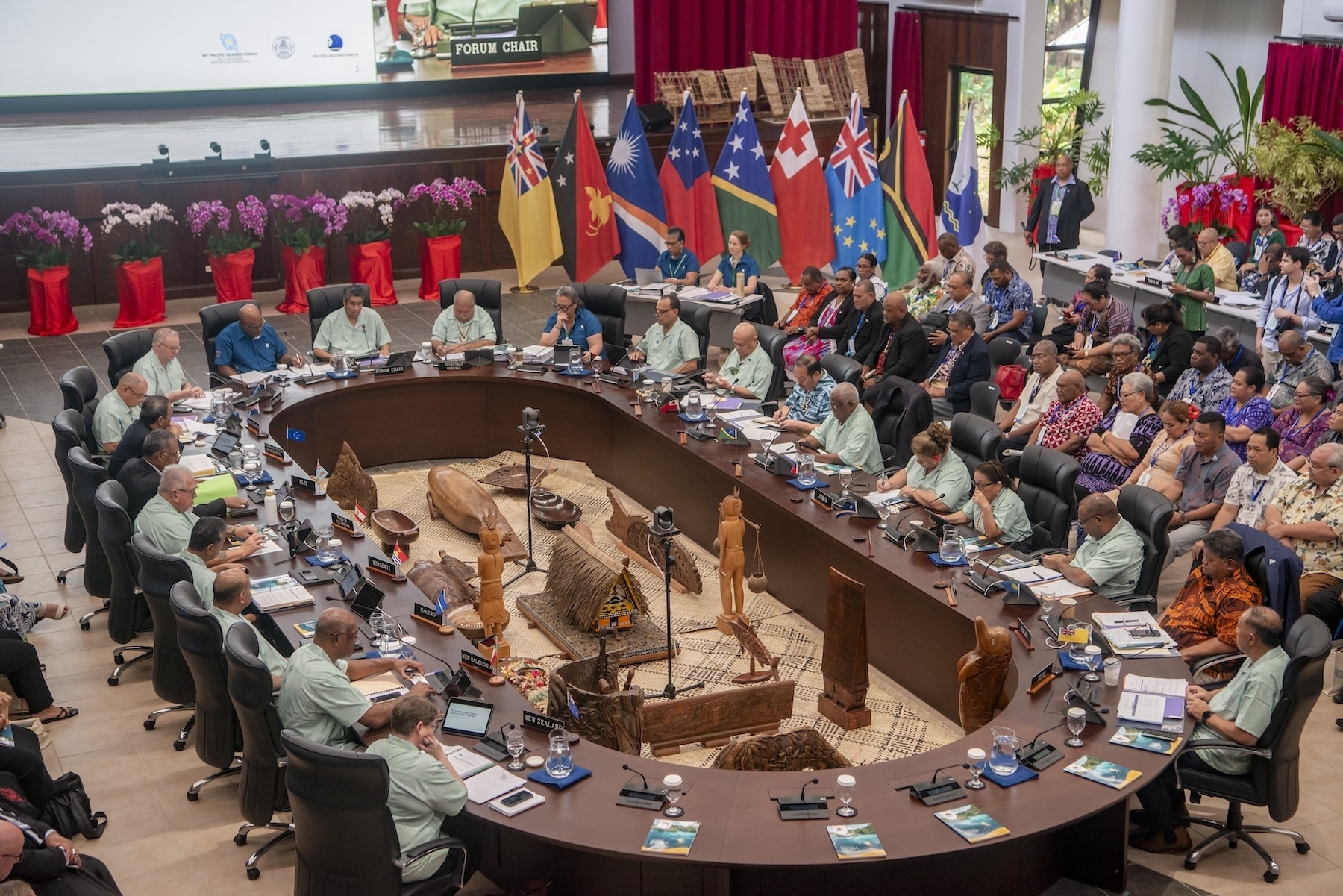
Leaders and representatives convene at the newly upgraded Ngarachamayong Cultural Center in Palau for the 55th Pacific Islands Forum (PIF) Leaders Plenary.
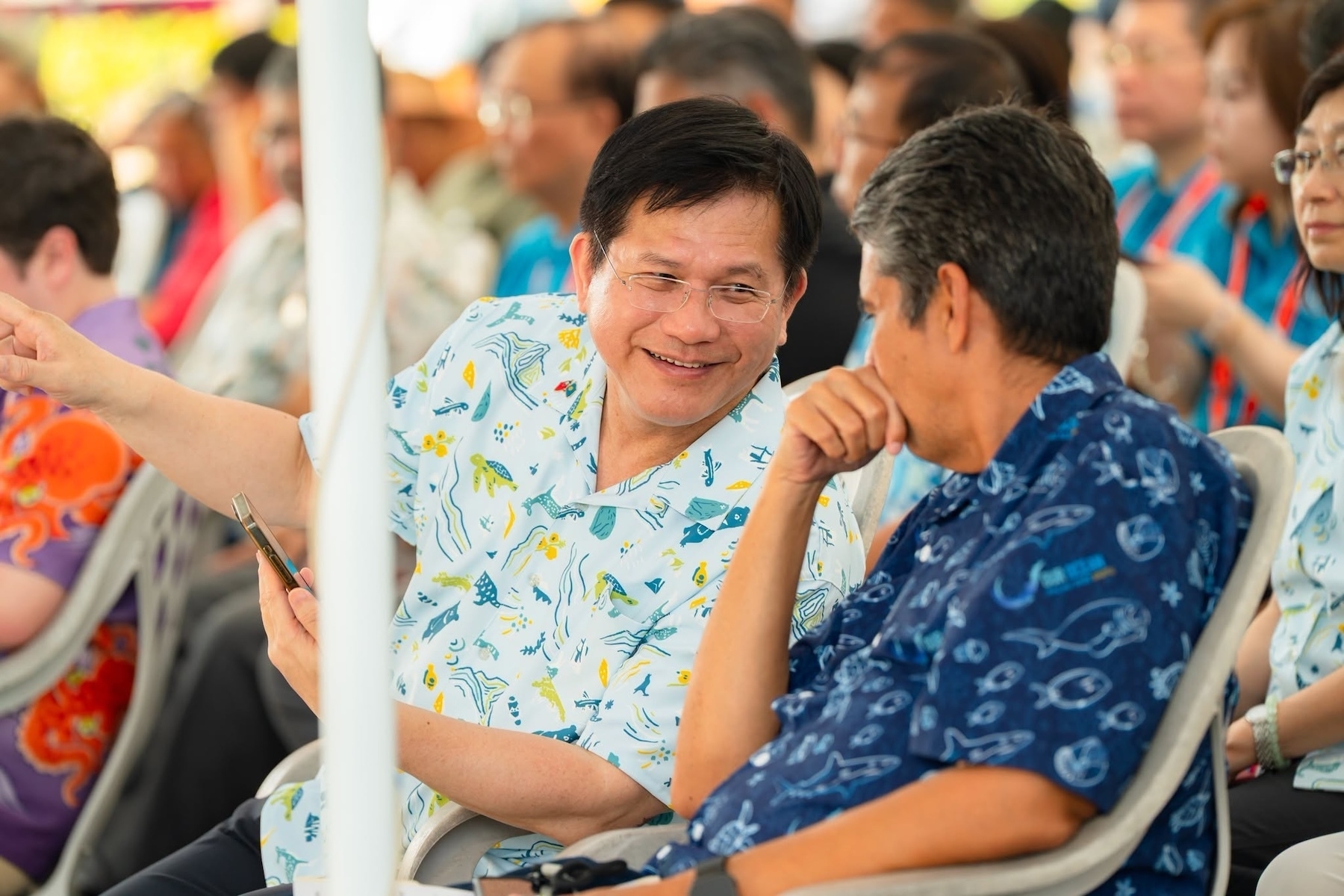
Minister of Foreign Affairs Lin Chia-lung attends a diplomatic event wearing the exclusive Taiwan team uniform. Featuring vibrant illustrations of Taiwan's local ecology, the design showcases the nation's energetic design capabilities. Image Credit: Photo courtesy of the official Facebook page of the Embassy of the ROC (Taiwan) in Palau
A total of six PIF Island Shirt designs were developed for different roles. Drawing inspiration from Palau’s marine and terrestrial environments as well as local culture, the designs incorporated elements such as sharks, rays, coral, the Money Bird, and taro, translating them into contemporary textile patterns. In parallel, two designs were created for Taiwan’s Ministry of Foreign Affairs delegation. Inspired by Taiwan’s mountains and oceans, the delegation apparel features elements including the Formosan black bear, leopard cat, Formosan macaque, flying fish, mahi-mahi, ferns, and orchids, presenting a distinct visual expression of Taiwan’s island landscape.
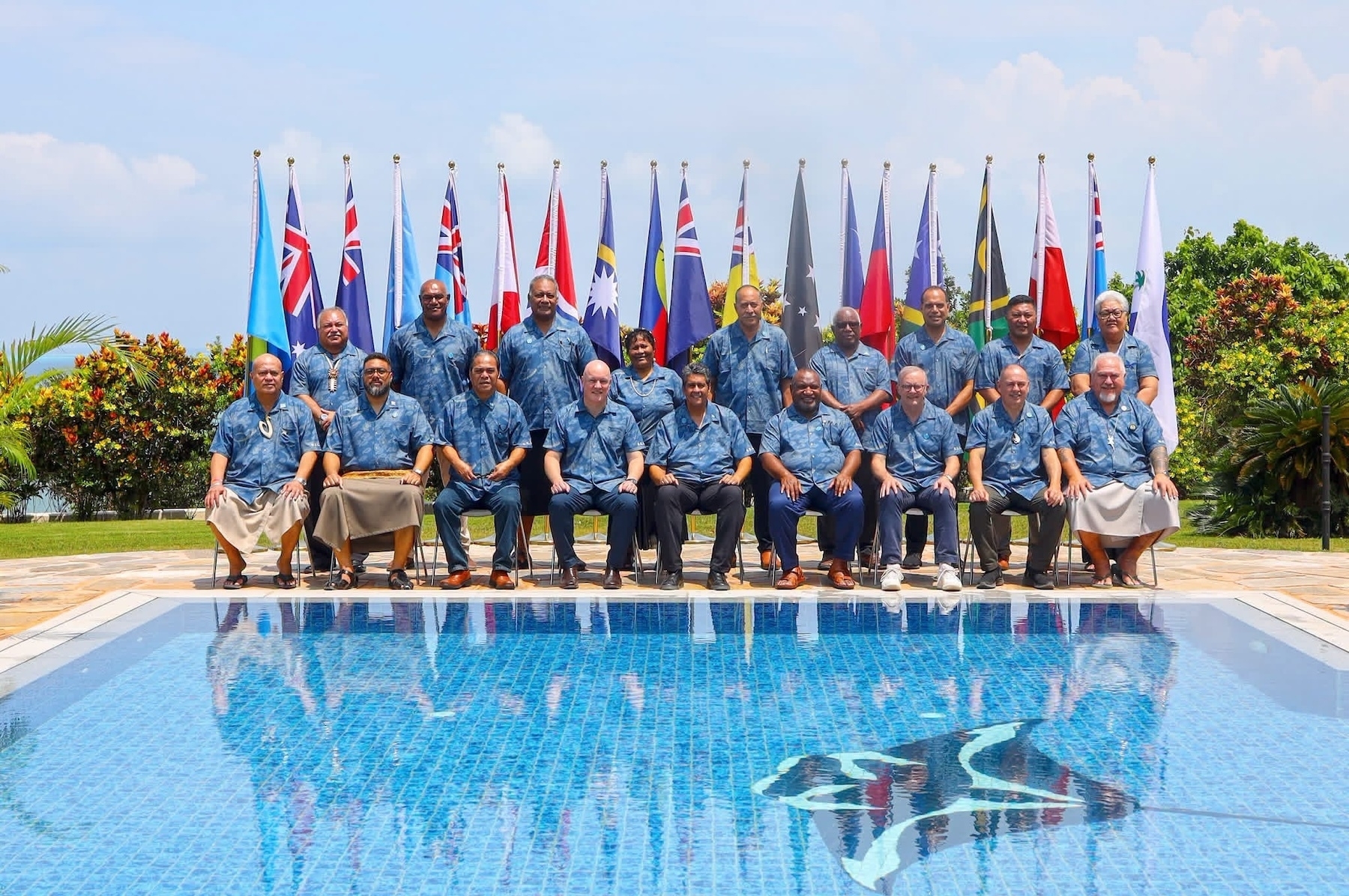
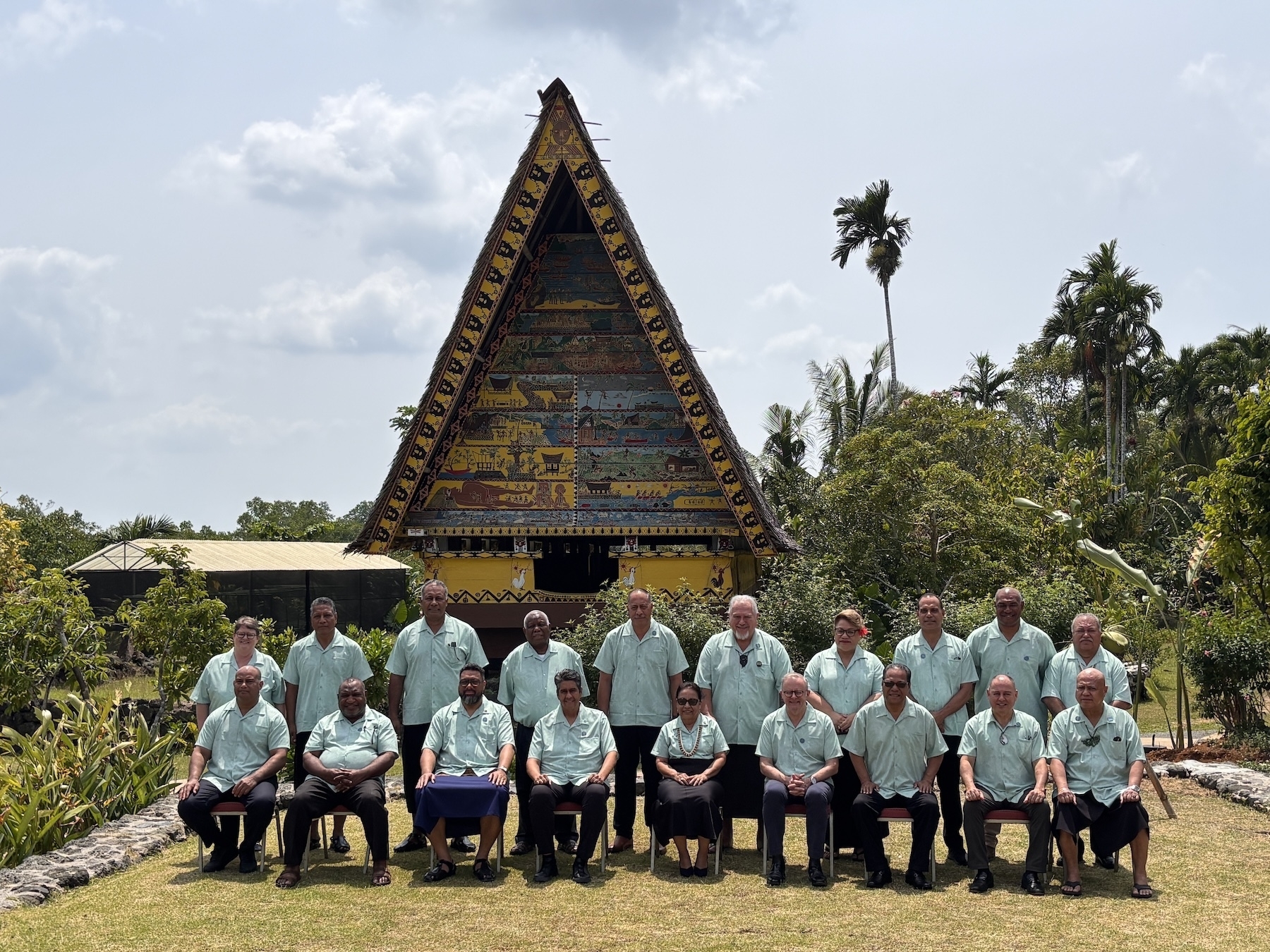
Pacific Island leaders pose for a commemorative photo wearing the exclusive PIF "Island Shirts," which elegantly blend local culture with contemporary design.
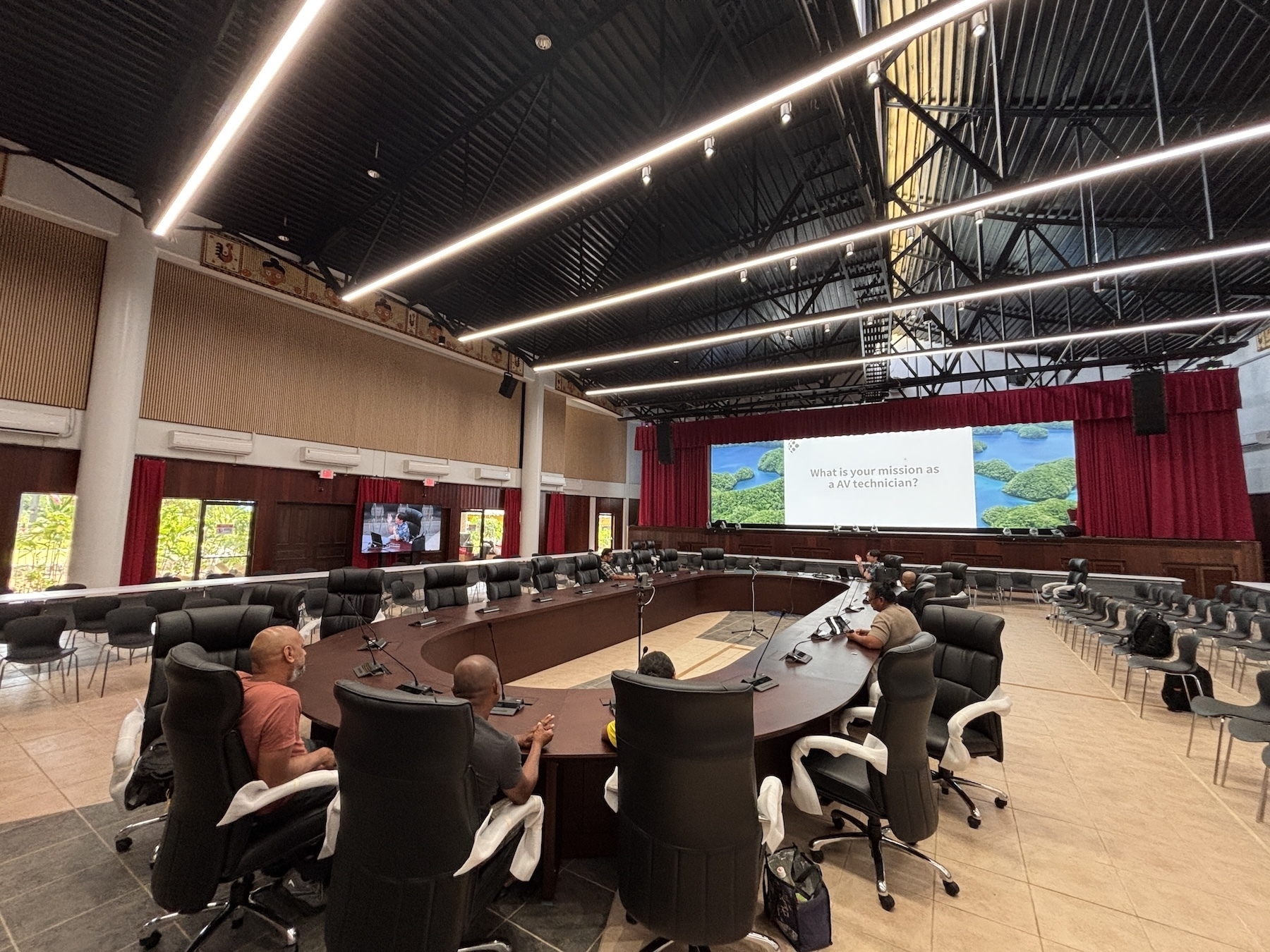
The optimized interior of the Ngarachamayong Cultural Center features comprehensively upgraded functionalities, perfectly meeting the rigorous standards of high-level international summits.
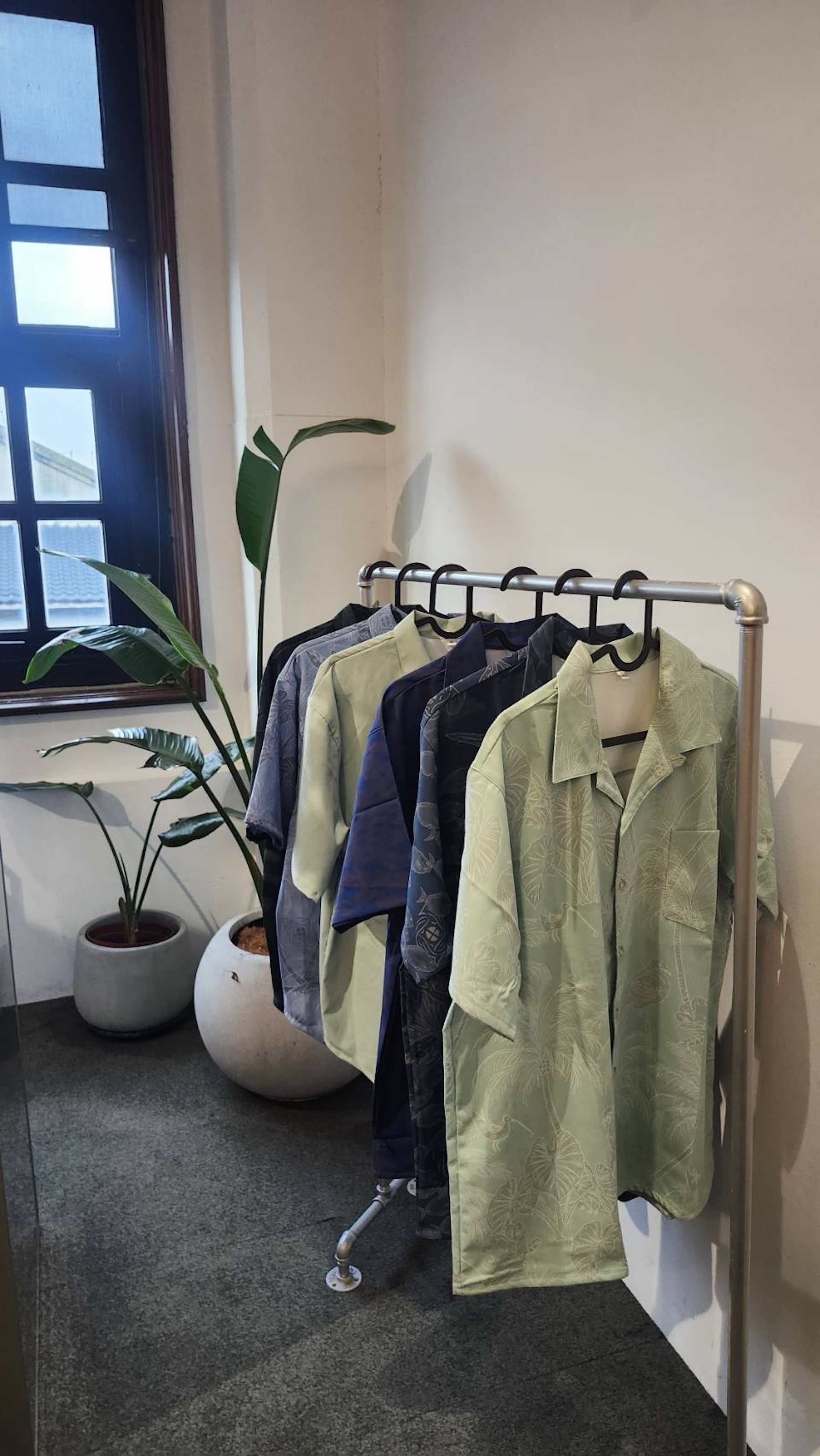
TDRI customized six exclusive "Island Shirt" designs for the PIF, tailored to the specific roles and diplomatic occasions of leaders, liaison officers, and Secretariat staff.
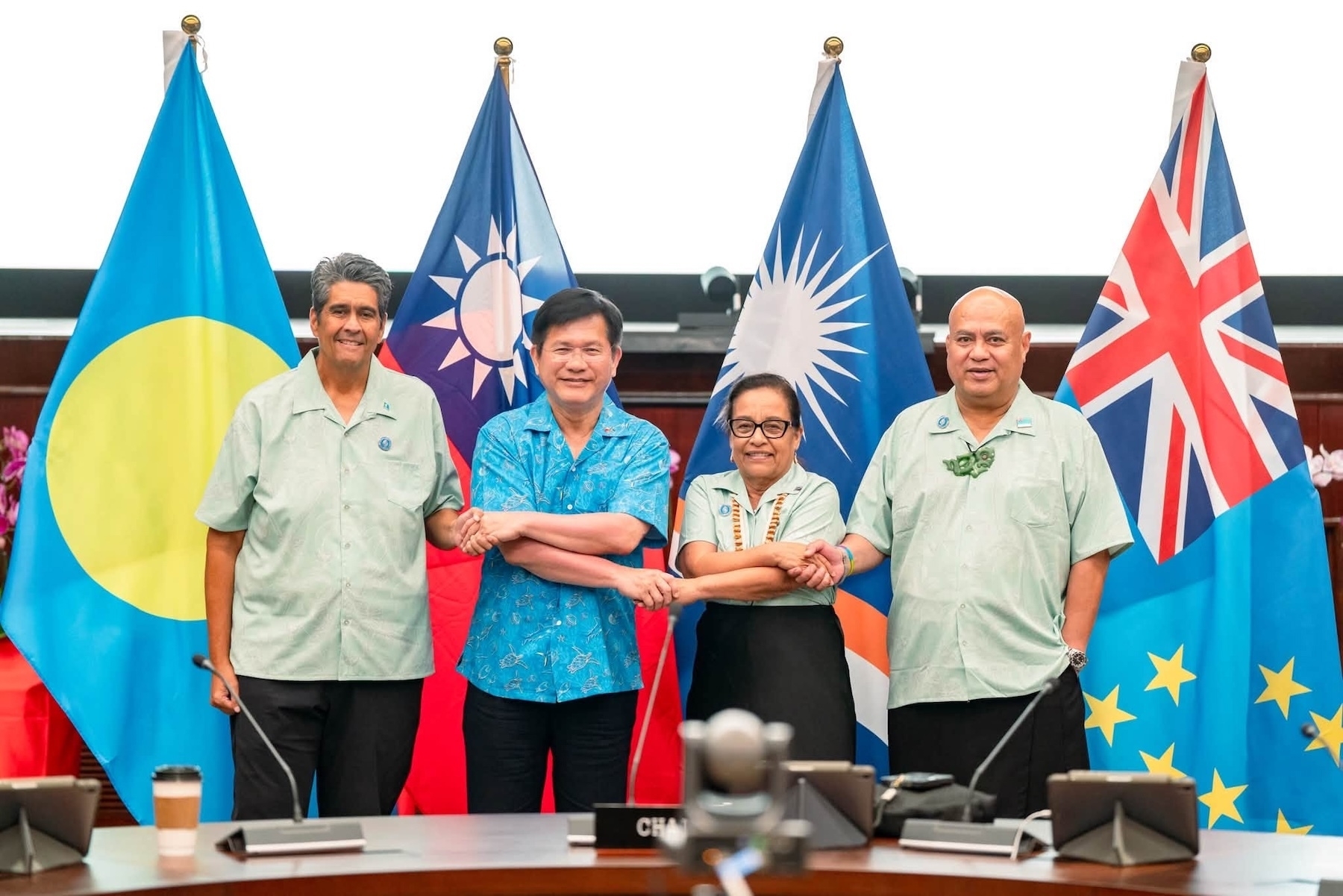
(L-R) Palauan President Surangel Whipps, Jr., Taiwan Foreign Minister Lin Chia-lung, Marshallese President Hilda Heine, and Tuvaluan Prime Minister Feleti Teo. The Pacific leaders, dressed in PIF "Island Shirts," and Minister Lin attend the 30th Taiwan/ROC-Forum Countries Dialogue. Image Credit: Photo courtesy of the official Facebook page of the Embassy of the ROC (Taiwan) in Palau
From spaces to apparel, this project was concerned not only with how design looks, but with how it understands different cultures, integrates complex needs, and ultimately becomes part of real-world use.
For TDRI, design diplomacy is not about bringing a ready-made Taiwanese answer to another country. It is about understanding differences and using design to find ways of working together. When diplomatic relationships are translated into a meeting space that can be used and formal attire that can be worn, design becomes a tangible medium connecting culture, technology, and people.
Credits
Architerior Architects
inBlooom
DA.AI Technology
GIS Group
KEYDAM
Tons Lightology
Fore Sight
Lanxi Interior Design & Decoration
TWUCM
OA Work
Fortune Investment & Development