TDRI Shares Key Insights from Public Facilities Research, Drawing on Seoul’s Public Design Experience to Unlock New Opportunities for Upgrading Public Facilities
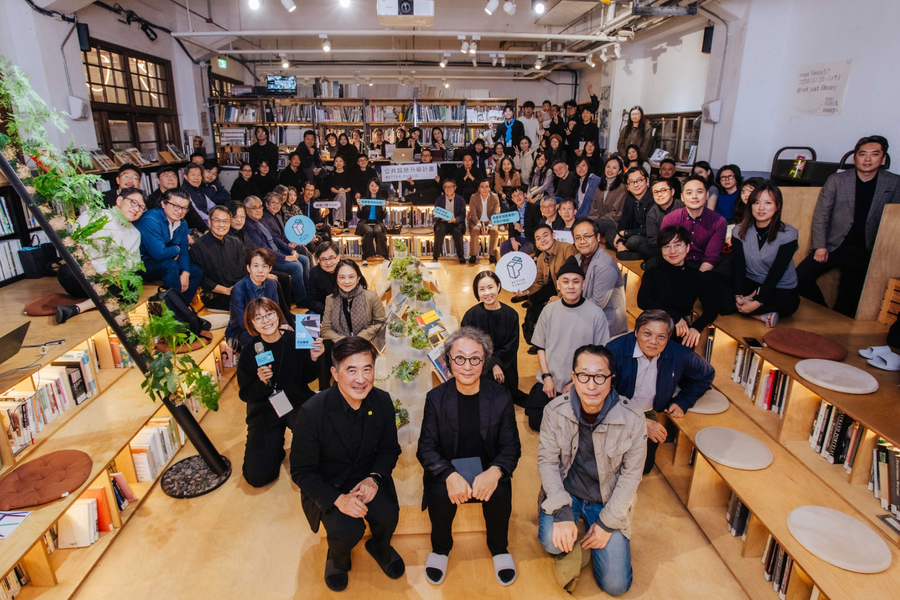
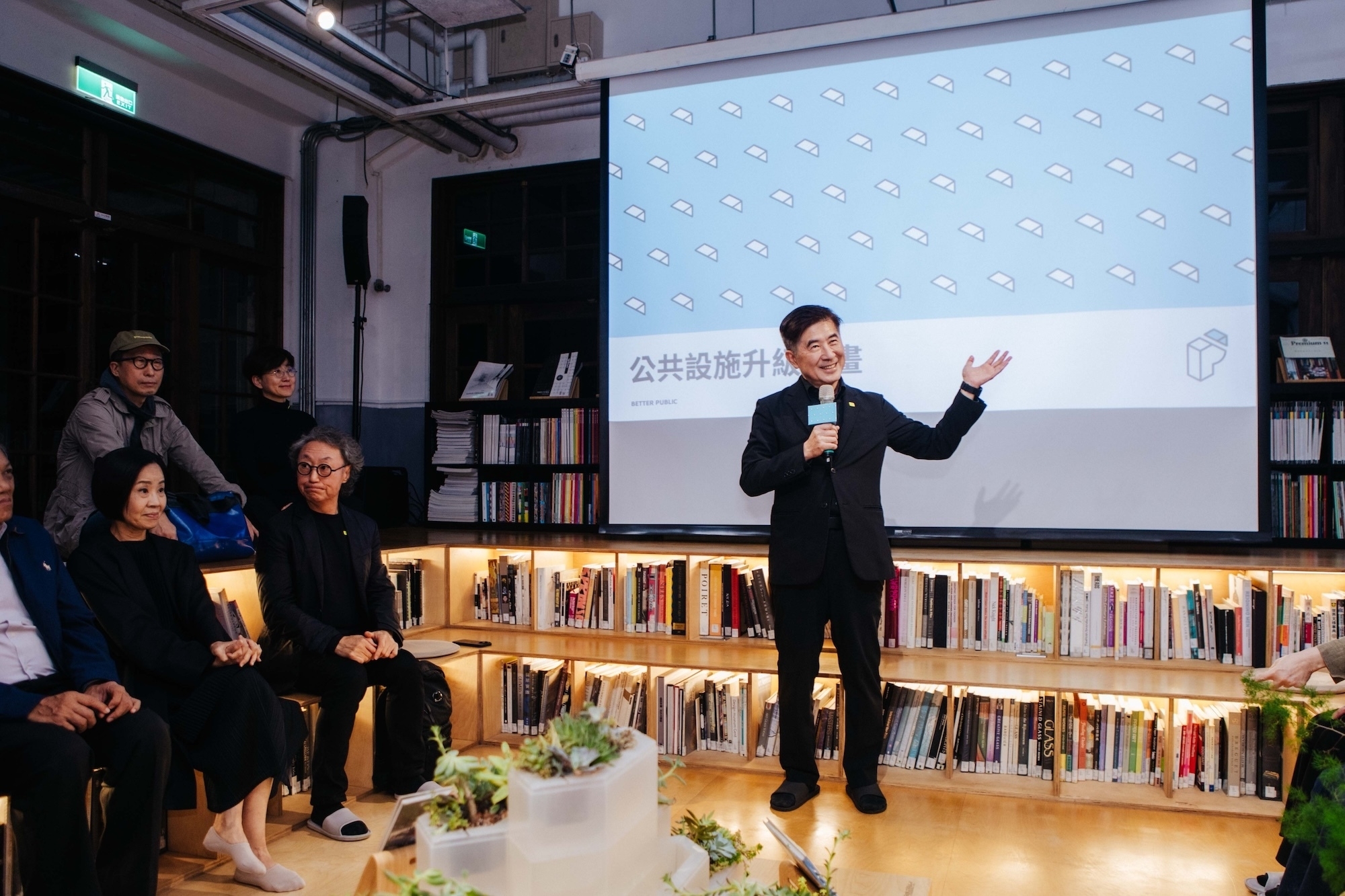
The Taiwan Design Research Institute (TDRI) hosted 2026 Public Service Forum: Upgrading Public Facilities at “Not Just a Library” on the evening of the 24th, presenting key findings from its Taiwan Public Facilities Research. The event also featured a special presentation by Professor Jooyun Kim, Master Public Designer of Seoul Metropolitan Government, who shared Seoul’s experience in branding the city through public design. The event attracted nearly 100 participants from government agencies, the manufacturing sector, and the design community to explore opportunities and directions for upgrading Taiwan’s public facilities.
TDRI has long been committed to public service innovation. This year, it has further expanded its focus to public facilities that are closely connected to people's everyday lives. By examining user needs, public-sector procurement and facility maintenance, as well as industry supply, the research provides an overview of the current landscape of public facilities in Taiwan and identifies opportunities for improvement.
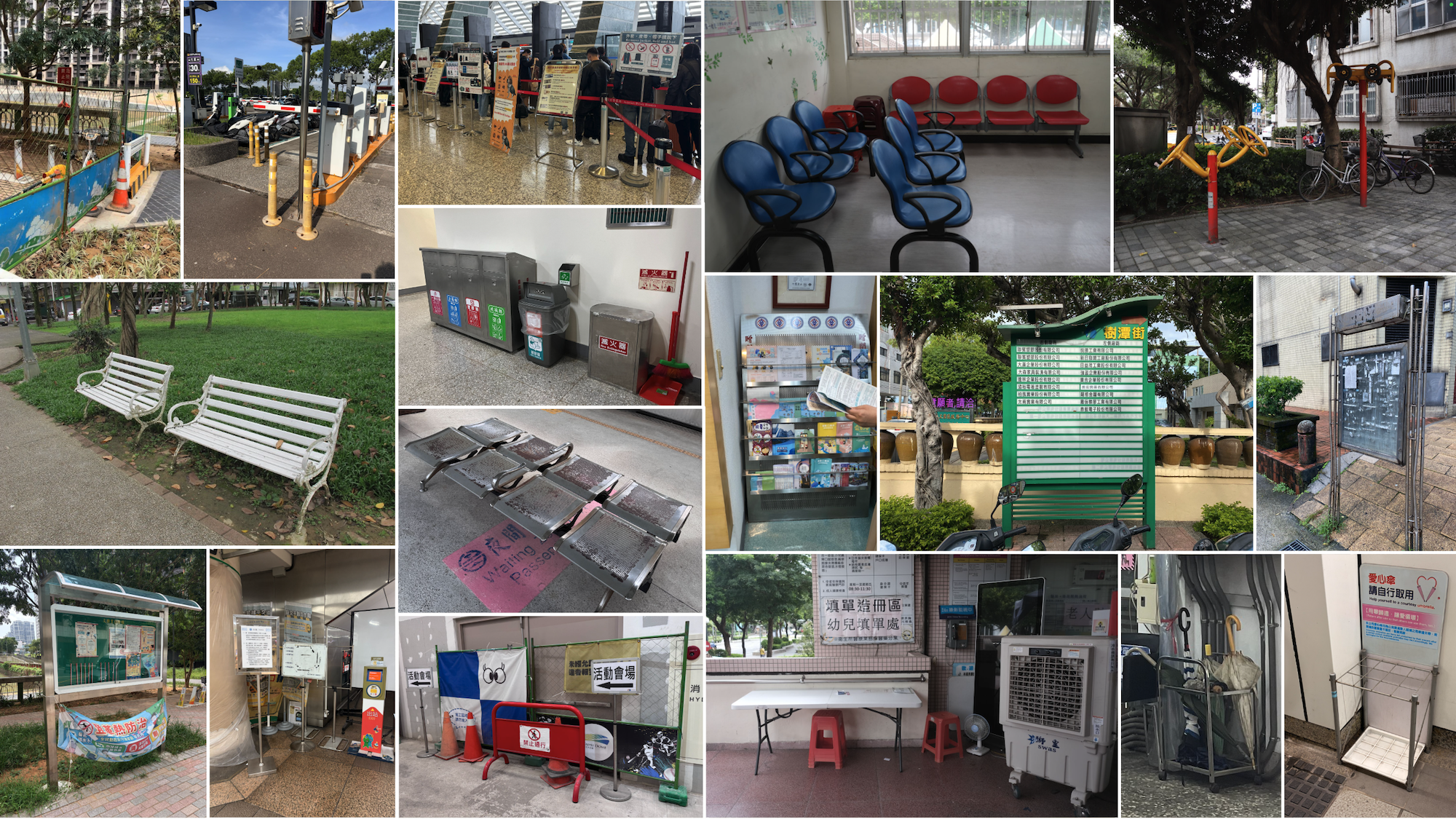
Appearance, Quality, and Quantity: Three Key Challenges Facing Public Facilities
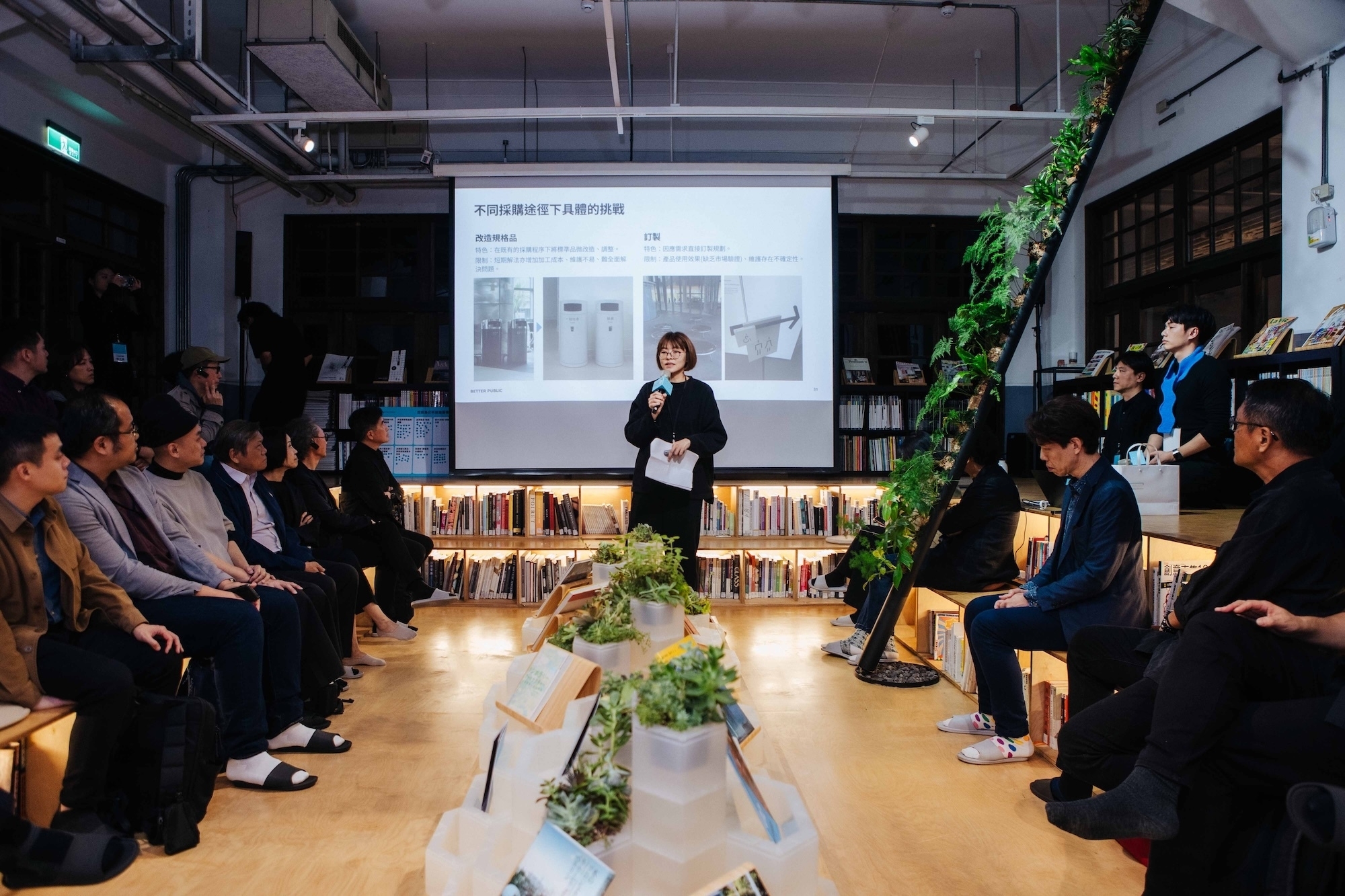
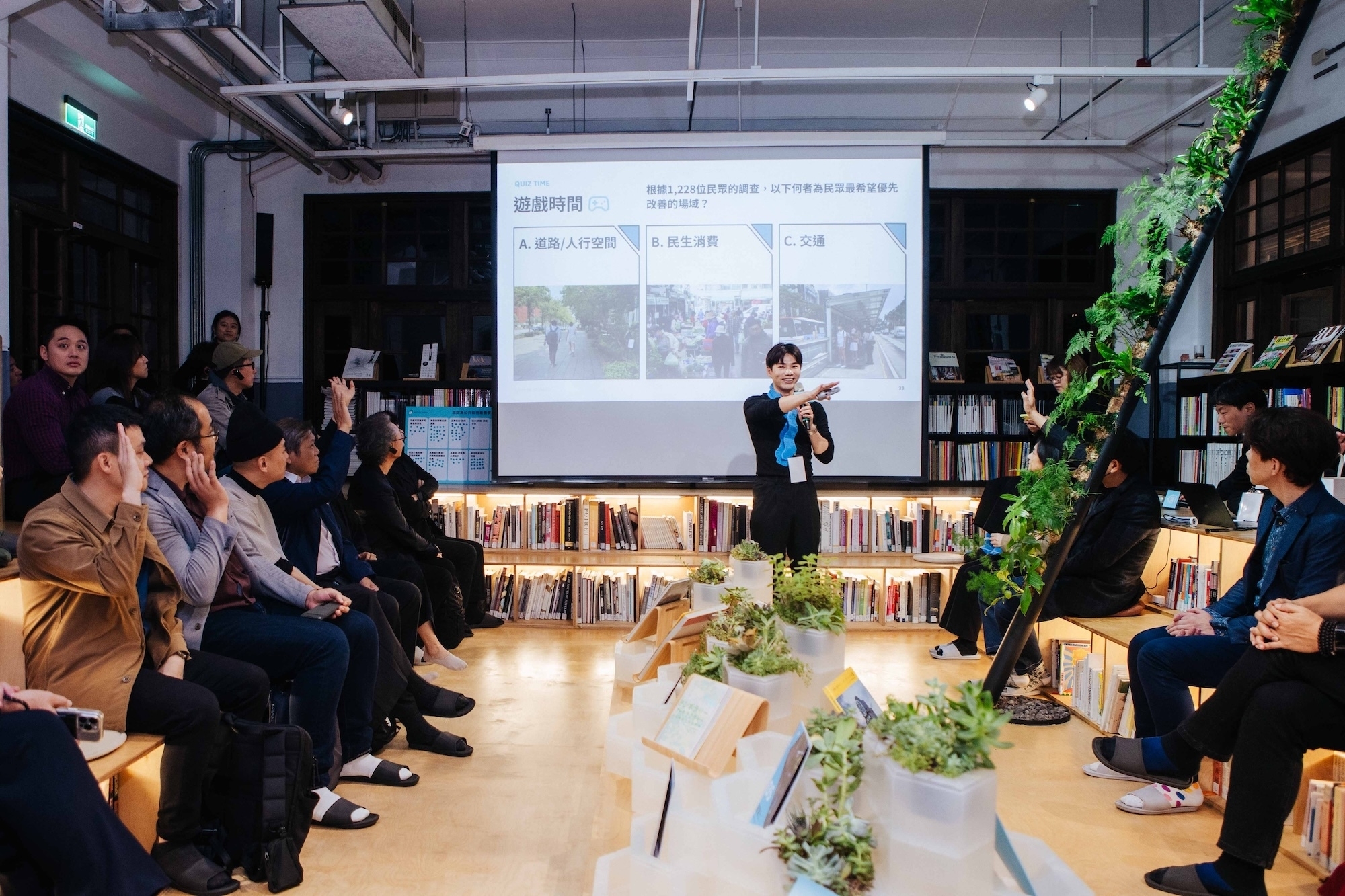
The research examined demand and market gaps in public facilities through surveys and interviews with public-sector procurement personnel, an analysis of contract awards published on the Government e-Procurement System, and public surveys. The findings reveal several common challenges in public procurement, including difficulties in defining product specifications, limited product choices under the inter-entity supply contracts, and the time and effort required for agencies to source products independently. Custom-made products with special specifications may also create additional difficulties in subsequent maintenance and replacement.
From the public's perspective, four types of environments are considered the highest priorities for improvement: roads and pedestrian spaces, transportation facilities, commercial and everyday service environments, and recreational, leisure, and sports facilities. The most frequently identified areas for improvement include signage and wayfinding, lighting, tables and seating, and restroom facilities. Overall, unattractive appearance, insufficient quantity, and poor quality are the three common issues affecting public facilities.
Three Development Strategies to Address Diverse Needs and Upgrade Public Facilities
Based on the characteristics of different environments, the research team identified five categories of facility requirements. High-traffic environments prioritize durability and maintenance efficiency. Spaces frequently used by people with special needs should incorporate universal design and safety considerations. Multifunctional environments require flexibility in mobility and configuration. Outdoor facilities must withstand varying weather conditions while blending into the surrounding landscape. Meanwhile, facilities in prominent or representative locations should emphasize distinctiveness and harmony with their surroundings.
The team also proposed three strategic directions for development:
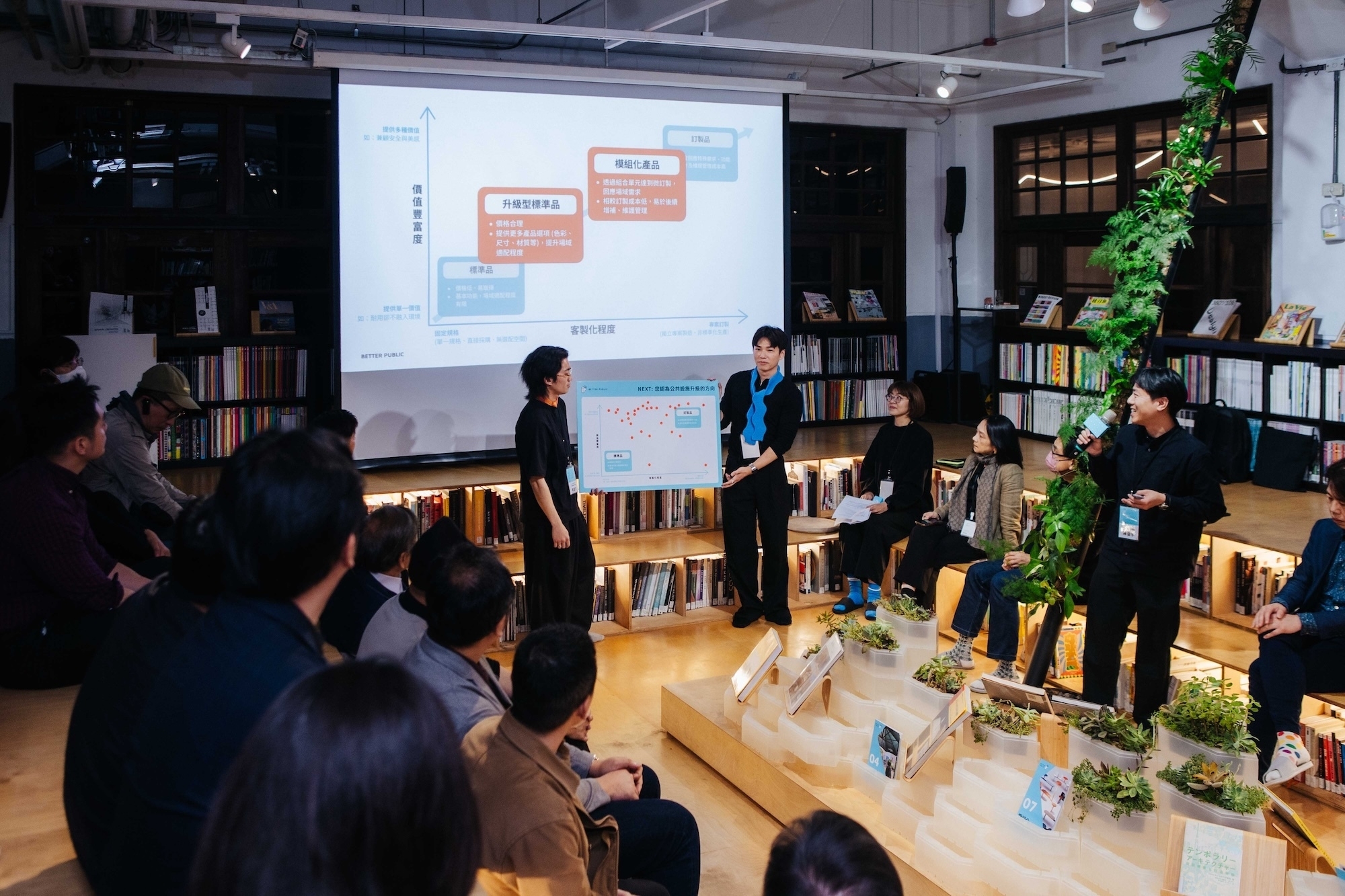
- Developing upgraded standardized products: Addressing the market gap between basic standardized products and project-specific custom-made solutions by offering enhanced standardized products with more choices in colors, sizes, and materials. Modular components can also be combined to achieve a degree of customization while retaining the advantages of standardized production.
- Exploring opportunities to expand product options under the inter-entity supply contracts: Introducing a wider range of products that balance quality, aesthetics, and the needs of different environments, thereby improving both procurement quality and convenience for government agencies.
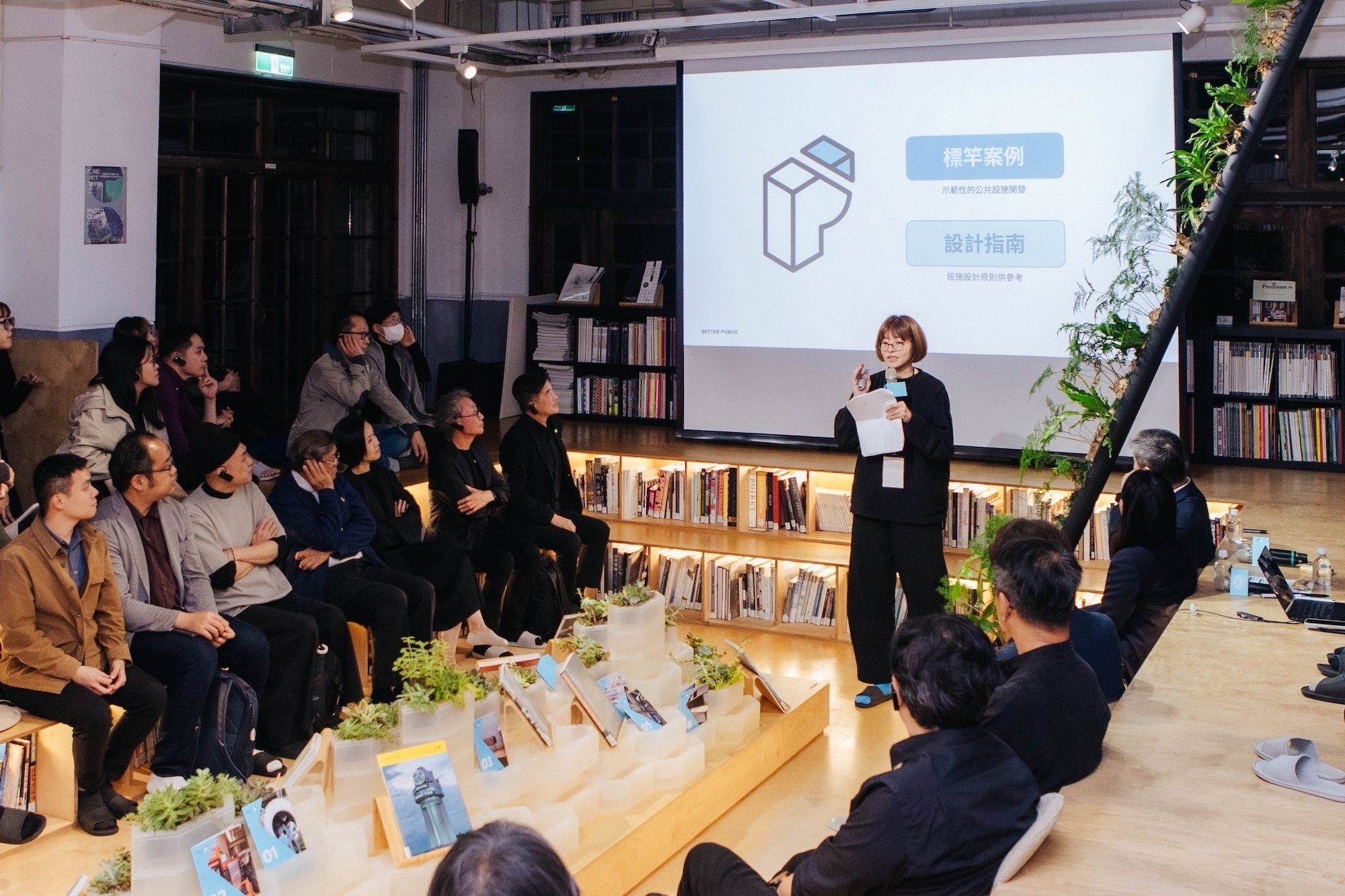
- Establishing public facility design guidelines: Providing practical references for government agencies in procurement and for manufacturers in product research and development, with the aim of improving the overall quality of public facilities.
Learning from Seoul: Branding a City Through Public Design
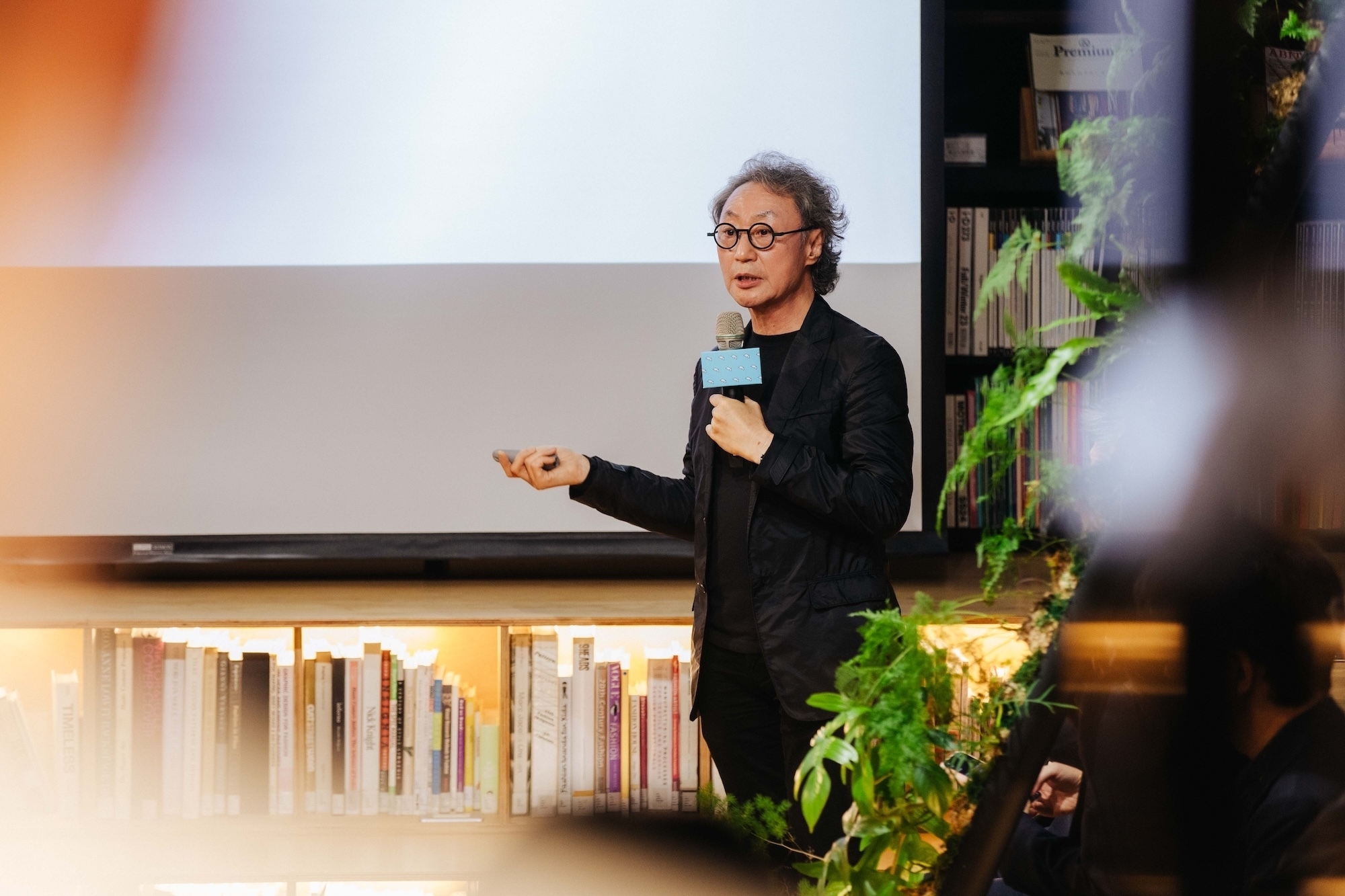
In his presentation, titled Branding Seoul Through Public Design, Professor Jooyun Kim reviewed the 20-year development of Seoul’s public design initiatives since the launch of the “Design Seoul” Declaration.
From establishing aesthetic standards for the urban landscape and enhancing citizens’ quality of life and sense of civic identity, to creating world-class urban spaces that inspire joy and delight in recent years, Seoul has consistently used public design to address the challenges of urban governance and respond to citizens’ everyday needs. Looking ahead, Seoul aspires to become one of the world's top three cities through design that creates meaningful emotional connections with its people.
Launching the Better Public Program to Connect Industry and Government
TDRI will launch the Better Public Program with the goals of expanding the public facilities market and enhancing the quality of Taiwan’s public environments. Starting with public needs, the program will bring together government agencies, designers, and manufacturers to jointly promote innovation and product development in public facilities, driving improvements in both the quality of public environments and the competitiveness of Taiwan’s industries.
TDRI emphasizes that upgrading public facilities requires cross-sector collaboration. Through research findings, international experience, and the implementation of the program, TDRI hopes to unlock new opportunities for upgrading public facilities and developing the market in Taiwan. All sectors are invited to participate in this collective effort to create public environments across Taiwan that are safer, more inclusive, and more aesthetically pleasing.
Note: The research collected 859 survey responses from public-sector procurement personnel, conducted 35 interviews, analyzed government procurement contract awards for goods published on the Government e-Procurement System from 2021 to 2025, and received 1,228 responses from members of the public.