A Better City:Reviving the Memory of a Century-Old Station through Design
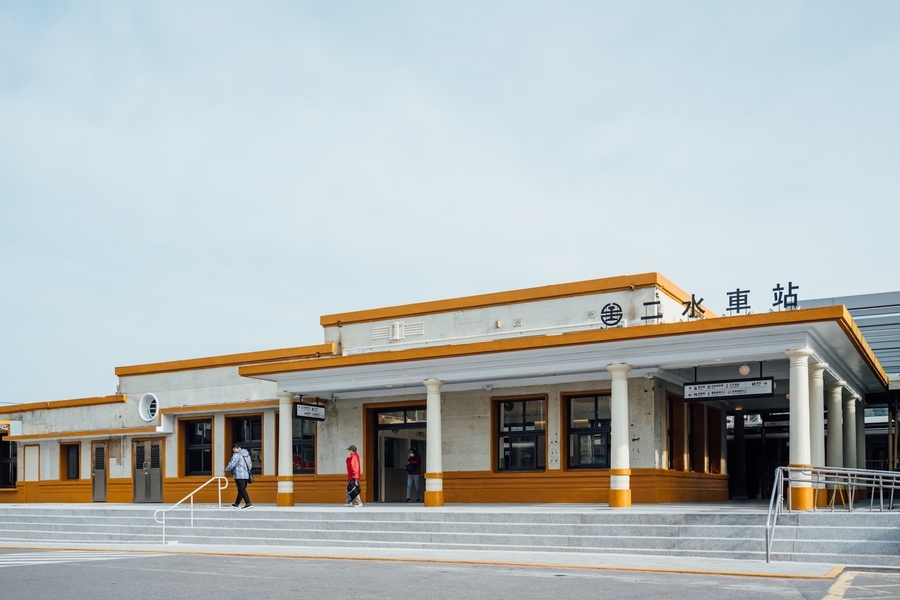
▲ Ershui Station has shed the visually cluttered layers of mechanical and electrical installations, revealing a refreshed appearance and restoring its original refined character.
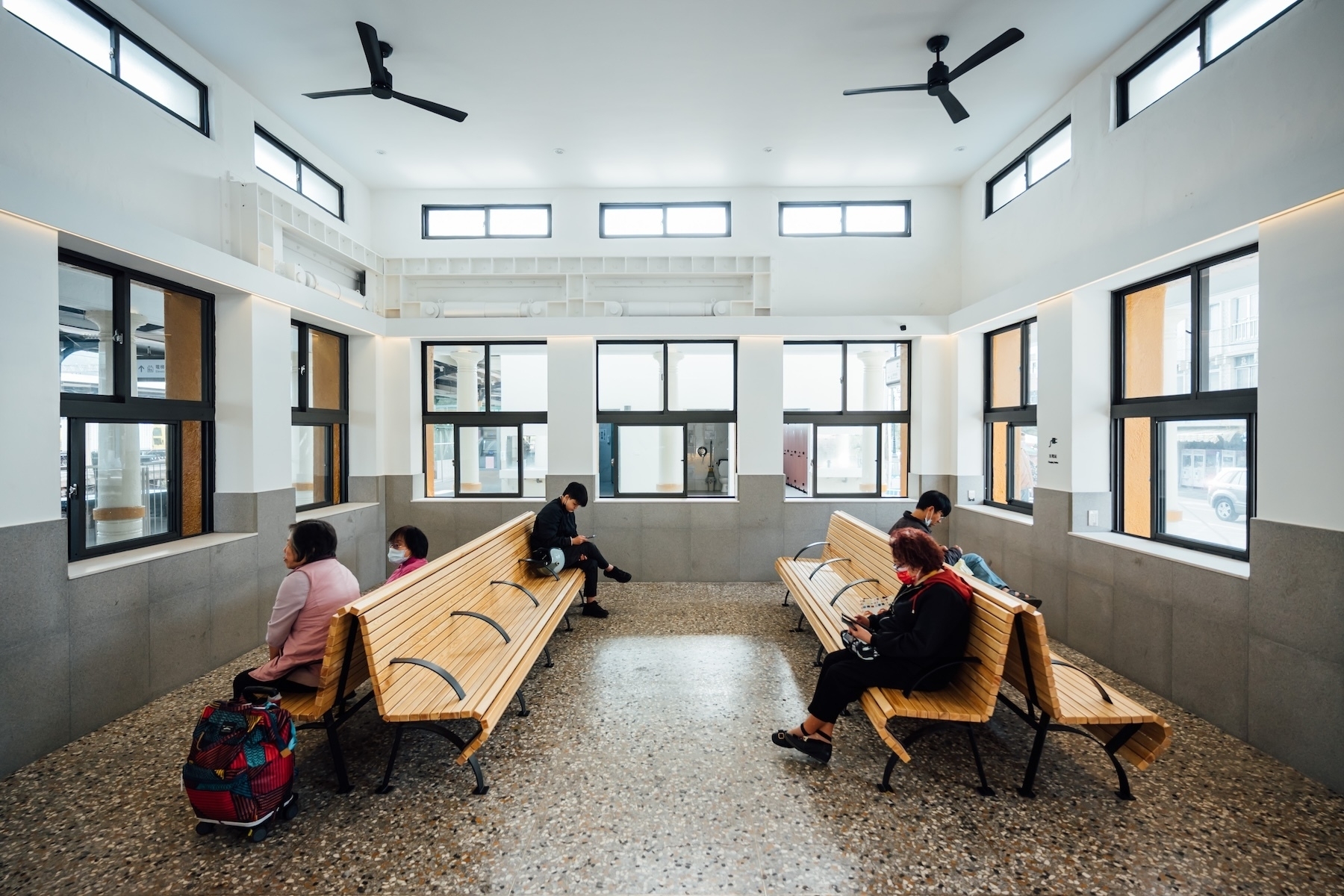
On a winter morning, gentle sunlight falls on the Ershui Station, painted in soft ochre yellow and off-white tones, adding warmth to the waiting area. Steel-and-wood benches sit quietly within the space, as if warmly inviting travelers to rest.
After the renovation, the station has removed the layers of accumulated mechanical and electrical installations, sweeping away its formerly outdated and dim impression. It now reveals a calm and elegant atmosphere, attracting many visitors to stop and take photos. Chen Chun-Ming, a former station master who participated in the renovation, shared that many local elders, upon seeing the renewed station, remarked with emotion: "This is the Ershui Station I remember from my childhood.”
From a Fading Historic Station to a Model Tourism Hub
Ershui was once one of the most prosperous areas in Changhua.
During the Japanese colonial period in the 1930s, Ershui Station served not only as a key passenger and freight hub along Taiwan's western trunk line, but also as the starting point of the Jiji branch line leading into the central mountain region. Its convenient transportation brought people and business opportunities, driving the town's growth.
As time passed, the once-bustling town gradually quieted, and the station bore the marks of time. Yet stepping outside, red-brick townhouses such as Chang Lao-Ying Residence, Xie Mao Residence, and Zheng Ding Residence (formerly Yingyuan Hospital) still stand quietly on street corners—silent reminders of the town's former prosperity.
This century-old station, once nearly forgotten by time, underwent transformation three years ago. With support from the Industrial Development Administration, Ministry of Economic Affairs, the Taiwan Design Research Institute launched the Design Movement for Public and collaborated with Taiwan Railways Corporation to extend renovation efforts to a non-mainline station for the first time—Ershui Station. The project not only reorganized spatial layout and circulation, but also introduced a new wayfinding system for the Jiji Line, enabling the station to retain its historical character while offering a more user-friendly and modern travel experience.
Chen Tsung-Hung, Deputy General Manager of Taiwan Railways Corporation, noted that Ershui Station, as the starting point of the Jiji branch line and a designated heritage site, possesses both cultural depth and tourism potential. In the future, with the planned "Tianzhong Branch Line" connecting to the Changhua High-Speed Rail station, travelers will be able to transfer directly to Ershui. This will strengthen connections between the north–south trunk line and the Jiji Line, making Ershui a key hub in Taiwan Railways' tourism network and an ideal demonstration station.
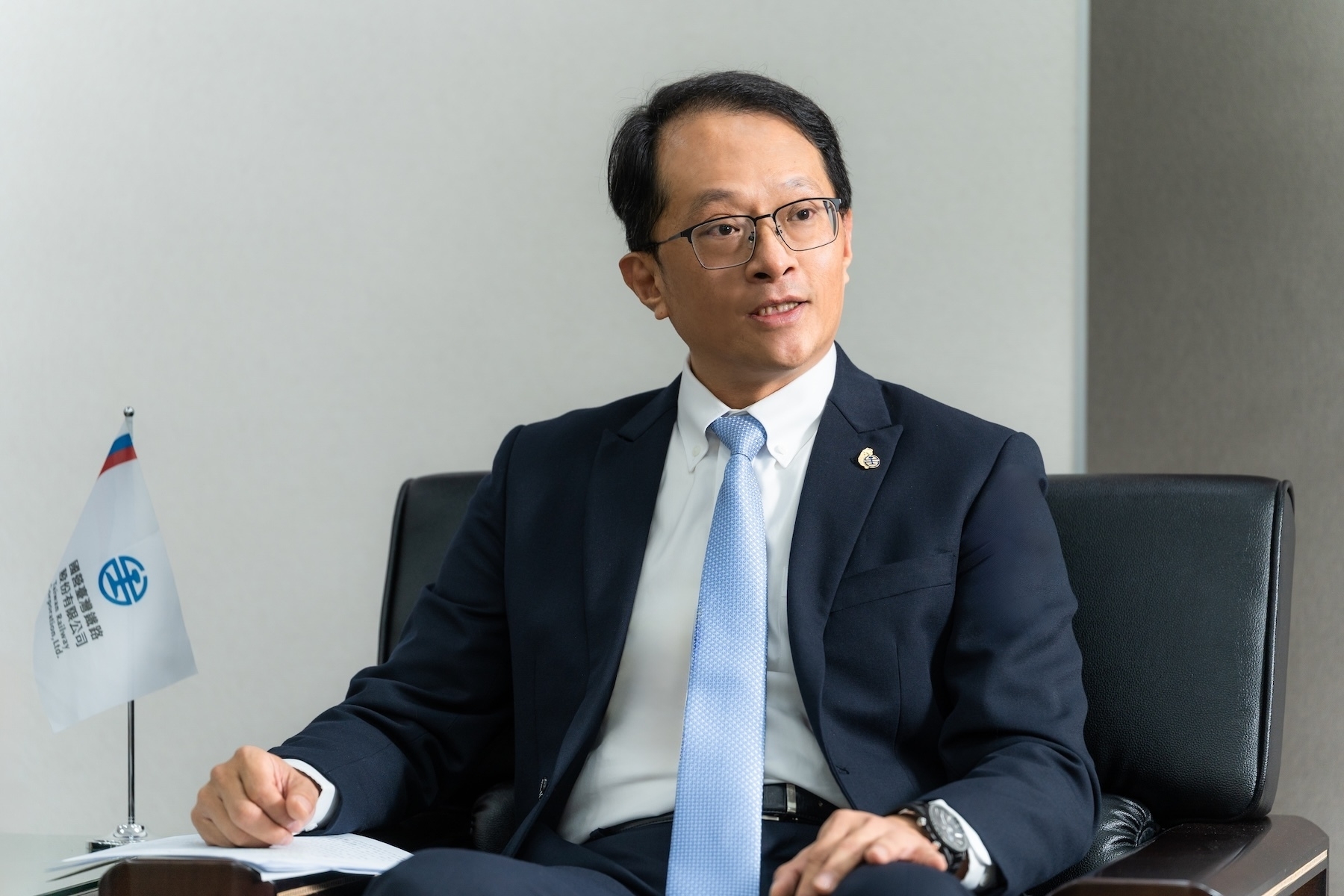 ▲ Deputy General Manager Chen Tsung-Hung noted that Ershui Station is the first branch-line station to undergo renovation, carrying significant symbolic importance.
Balancing Heritage and Contemporary Needs
Transforming a functioning transport hub through a design-driven approach was no easy task. The design team faced two main challenges: preserving the station's historical significance while enhancing the tourism identity of the Jiji Line, and maintaining the operational efficiency of a transit hub.
"Unlike heritage sites that can be converted into exhibition spaces, a station must continue operating daily while expressing its own identity,” said designer Wang Yu-Hsiang of Studio n9a2, who led the spatial renovation. "Design here is not just about aesthetics—it is a systematic integration responding to multiple needs.”
The spatial design team and the wayfinding design team (HOUTH) worked in parallel collaboration. Although from different disciplines, both began from user needs, refining their work through continuous discussion and iteration to ensure coherence between space and signage in real use scenarios.
However, field research revealed differing expectations among stakeholders. Reaching consensus among operational requirements, heritage preservation, and public use became one of the most challenging aspects of the project.
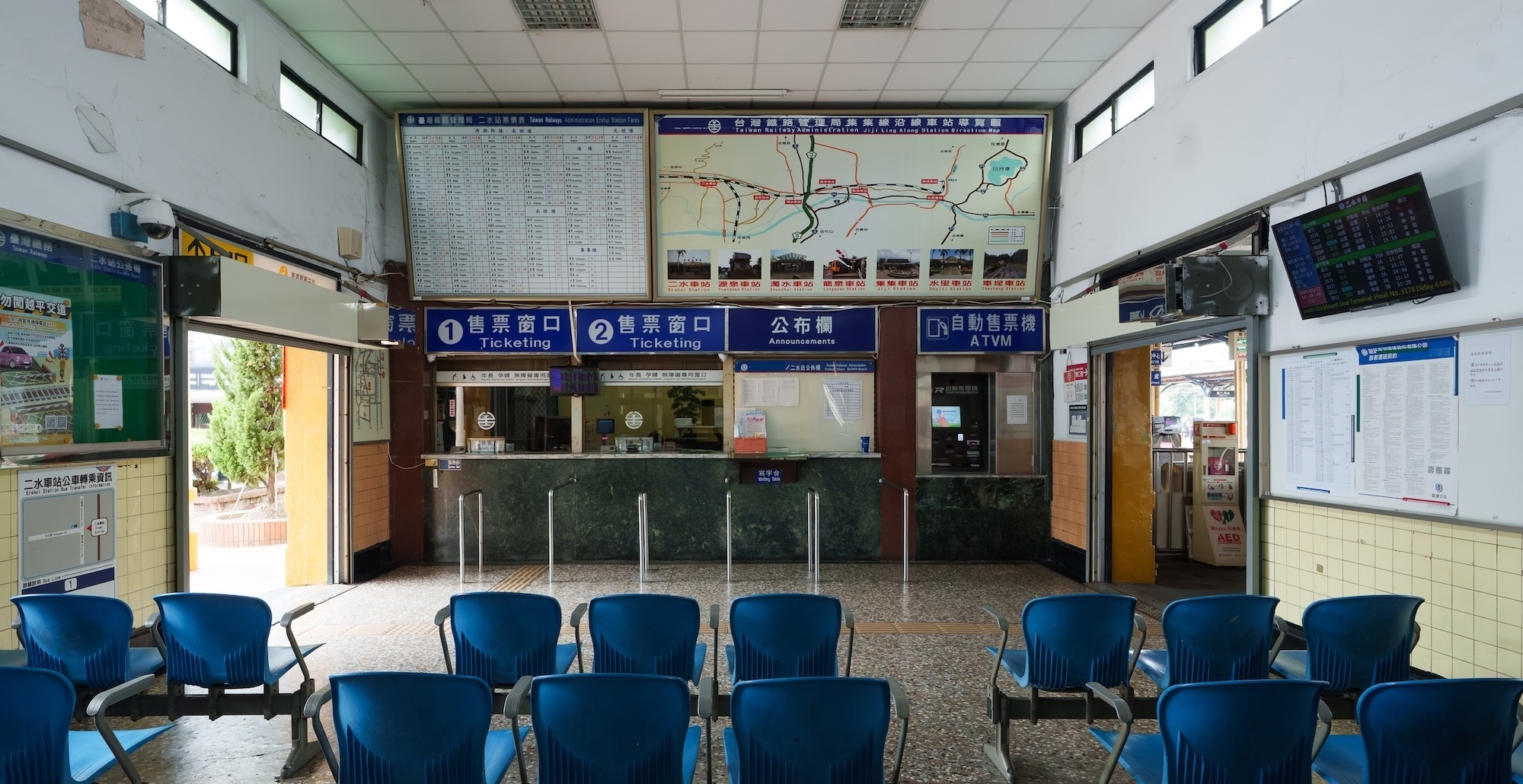
Because the station operates every day, past renovations could only be done in fragments—old facilities remained while new ones were added without overall planning. Over time, this led to cluttered mechanical equipment, iron grilles, and bulletin boards, diminishing the station's architectural elegance.
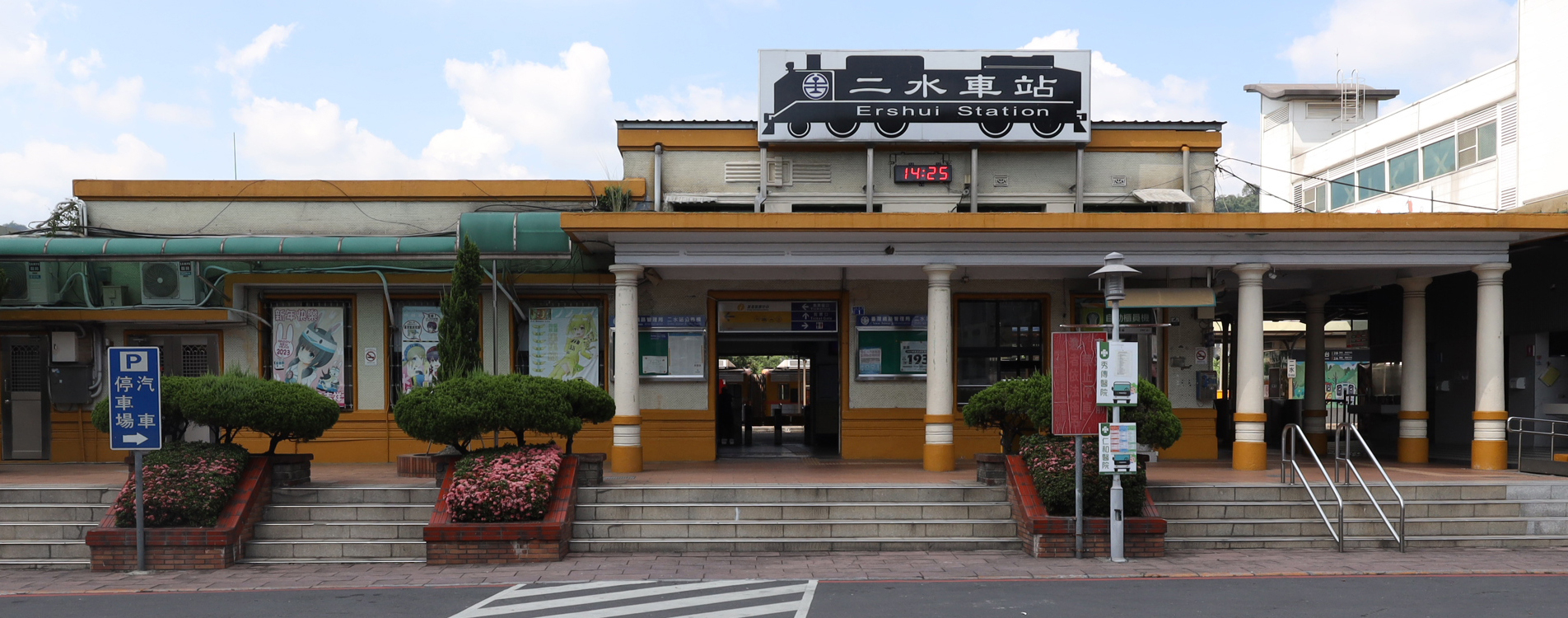
▲ Before renovation, Ershui Station's façade was obscured by layers of added installations.
Another urgent issue was the lack of a clear wayfinding system. In response to navigation needs, numerous signs had been added over time, creating visual chaos and increasing reliance on staff guidance.
Moreover, although Ershui Station serves both the main western trunk line and the Jiji branch line, it lacked clear identity differentiation. Establishing a systematic and hierarchical wayfinding system—allowing passengers to intuitively distinguish between lines while forming a strong impression of the Jiji Line—became a key task of the project.
 ▲ Before renovation, Ershui Station's façade was obscured by layers of added installations.
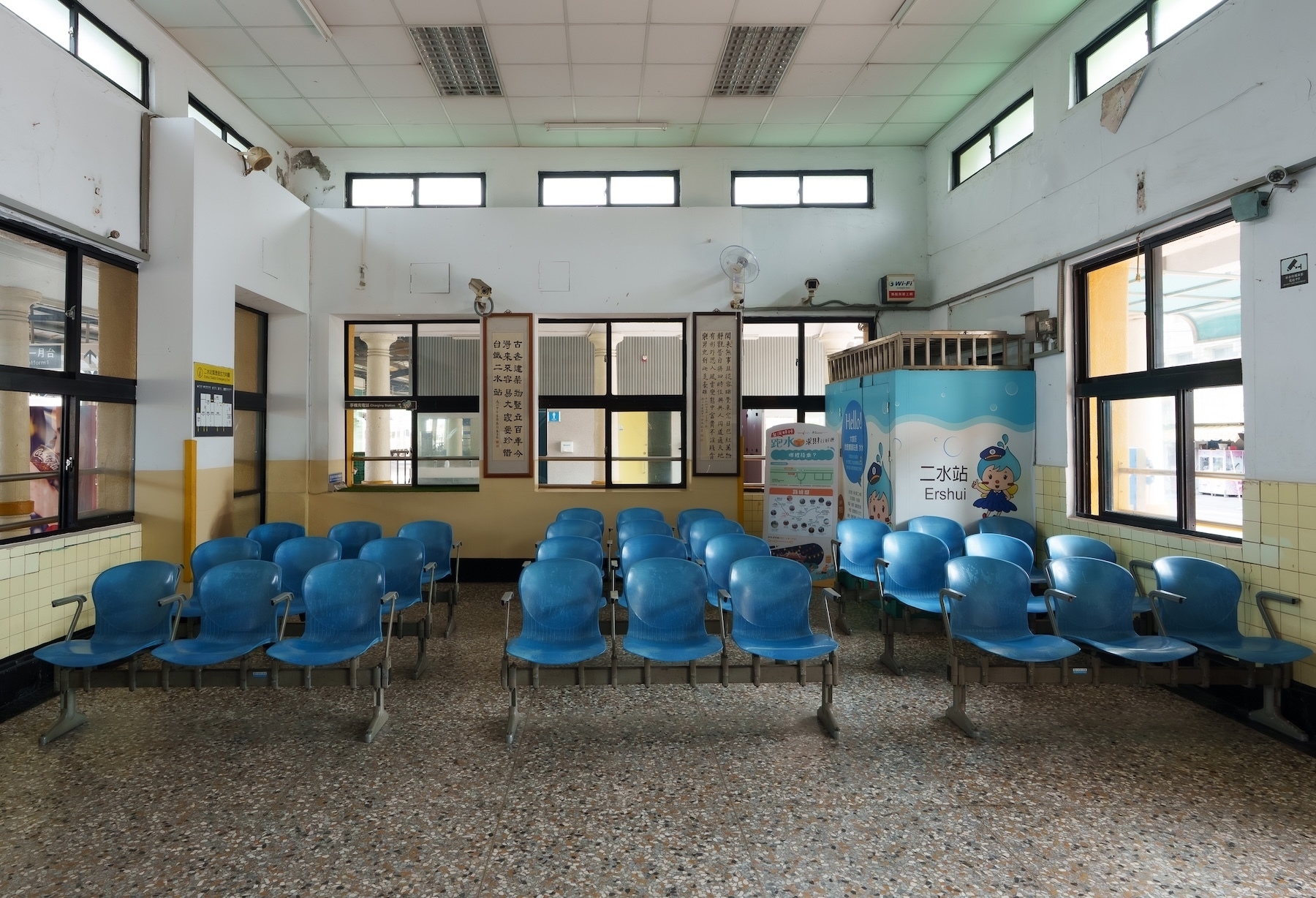
 ▲ Before renovation, Ershui Station's façade was obscured by layers of added installations.
Designing Through Subtraction
How much should a station be transformed to meet both passengers' and staff's expectations of urban design quality? Wang Yu-Hsiang and the HOUTH team emphasized: "We must go beyond surface improvements and reshape how people perceive railway stations.”
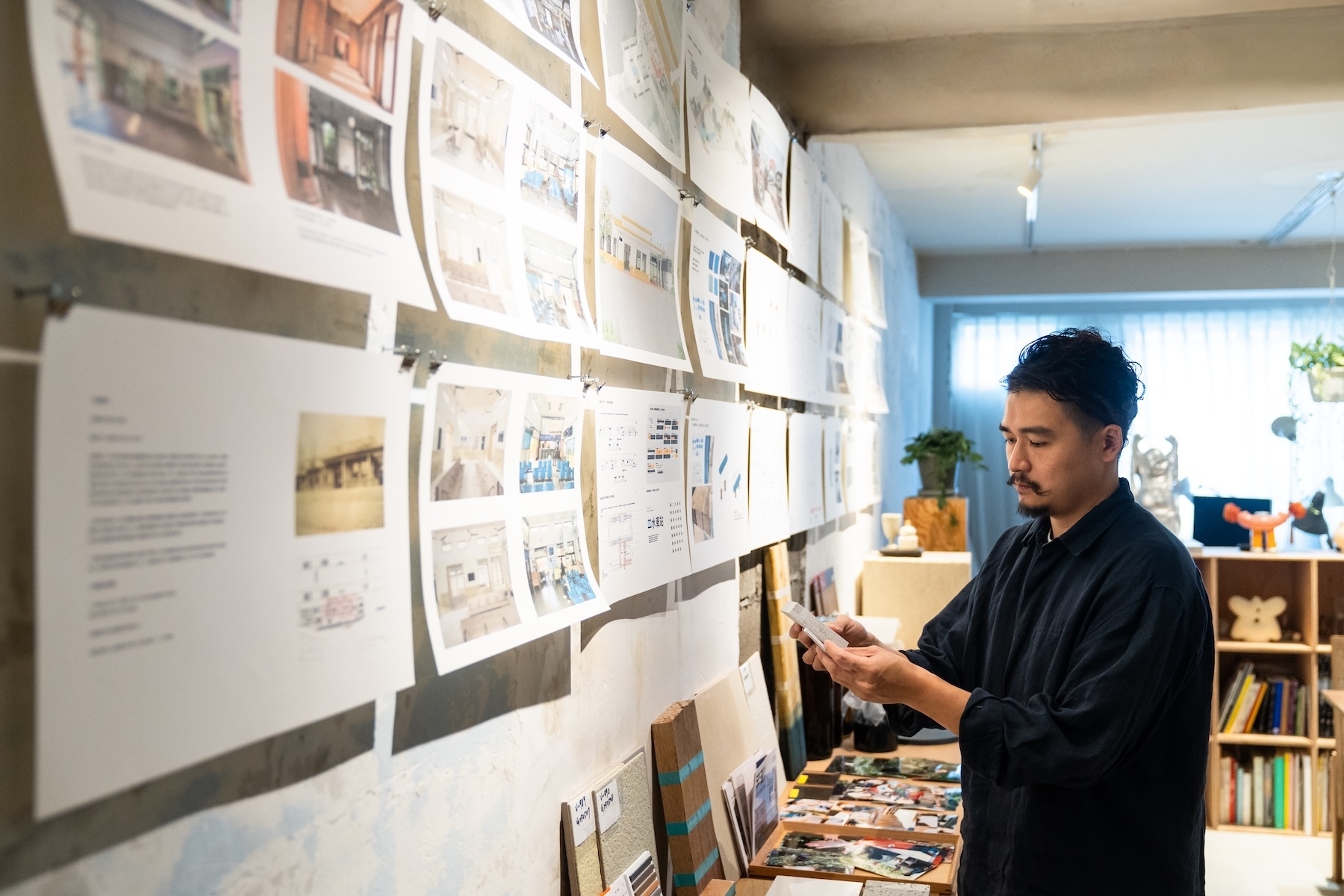
The first step was a seemingly simple yet challenging strategy—design by subtraction. The team removed accumulated installations to restore the station's original form. Referencing the architectural language of the Tokyo Metropolitan Teien Art Museum, they adopted reversible construction methods to integrate complex systems without damaging the historic structure, preserving its Art Deco character.
Wang described the process as "defusing a bomb,” as much of the work was carried out at night to avoid disrupting operations. "The moment the new and old electrical systems successfully switched, everyone was deeply moved.”
The results, though understated, involved careful consideration. During major local events, the station must accommodate large crowds in a short time, making the forecourt a critical node for circulation.
The original rooftop signage was relocated to the side of the building using a custom typeface designed for the Jiji Line, improving visibility while restoring the building's clean architectural lines.
Elements such as ATMs, bulletin boards, and planters were repositioned. This "subtraction" improved accessibility for wheelchair users, travelers with luggage, and cyclists, while creating a more spacious and welcoming entrance.
Inside, the waiting area features low-saturation tones and terrazzo materials, maintaining a calm atmosphere. Custom-designed benches, inspired by historic stations such as Tai'an and Tongluo, reconnect the space with railway heritage.
"Visitors say they now want to stay longer—the pace naturally slows down,” Wang shared. "That is the best feedback we could receive.”
In terms of the wayfinding system, the design team extended the geometric language of Art Deco. On Platform 4, which leads to the Jiji Line, a custom "Jiji Line" typeface—echoing the imagery of the Zhuoshui River—clearly marks the boarding area. "JI JI" spherical lights are placed along the platform as visual accents. As night falls and warm yellow lights illuminate the space, a dreamlike atmosphere emerges, attracting visitors to stop, take photos, and remark: "It feels just like a scene from Spirited Away.”
Shen Ping-Yue, the former station master of Ershui who was involved throughout the renovation, expressed great pride in the station's renewed appearance. He shared that many posts had appeared in local Facebook groups during the renovation, with residents already full of anticipation. When the station was officially unveiled, the result exceeded expectations: "I never imagined Ershui could become this beautiful.”
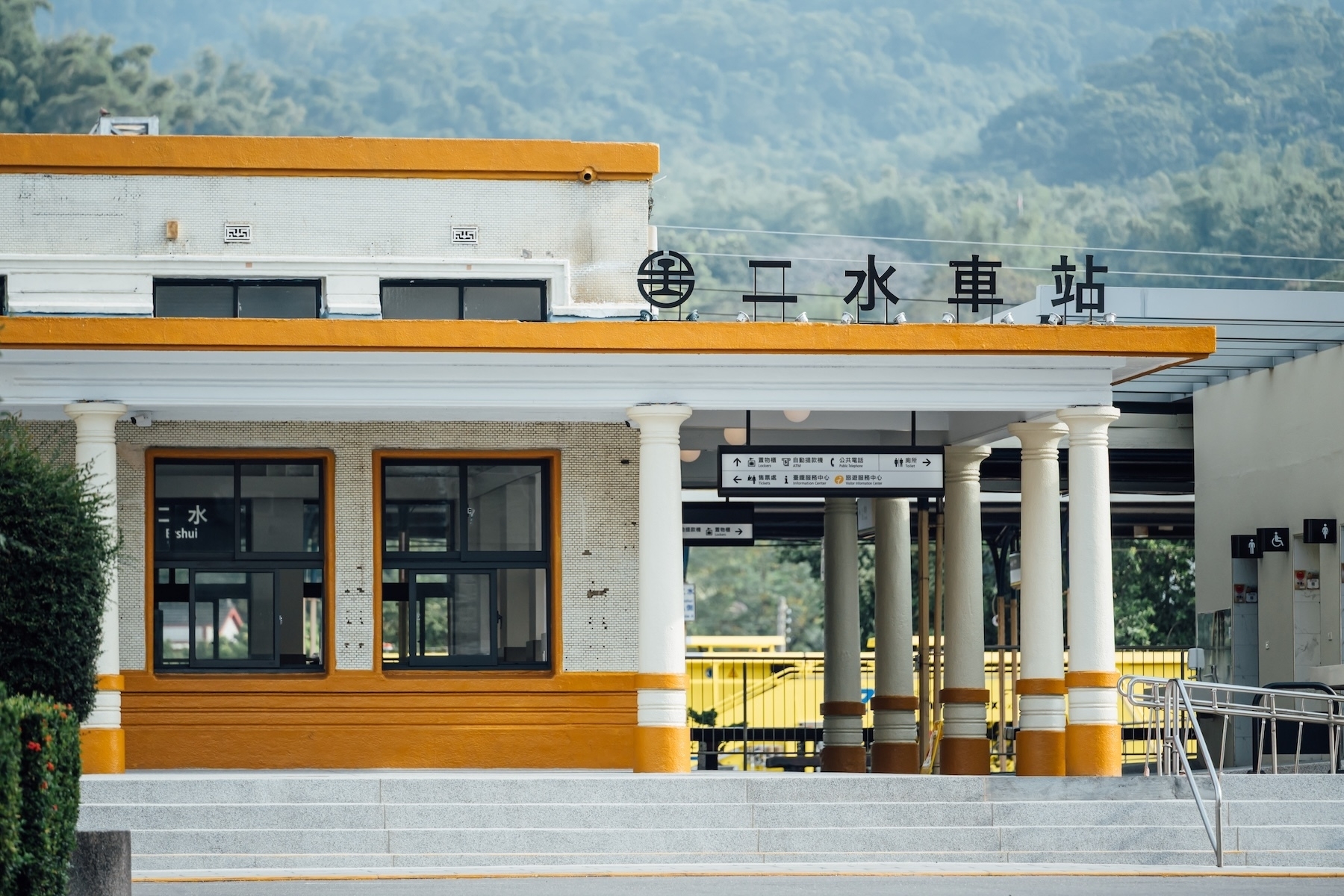 ▲ The station signage was redesigned and relocated to clarify the building's overall form.
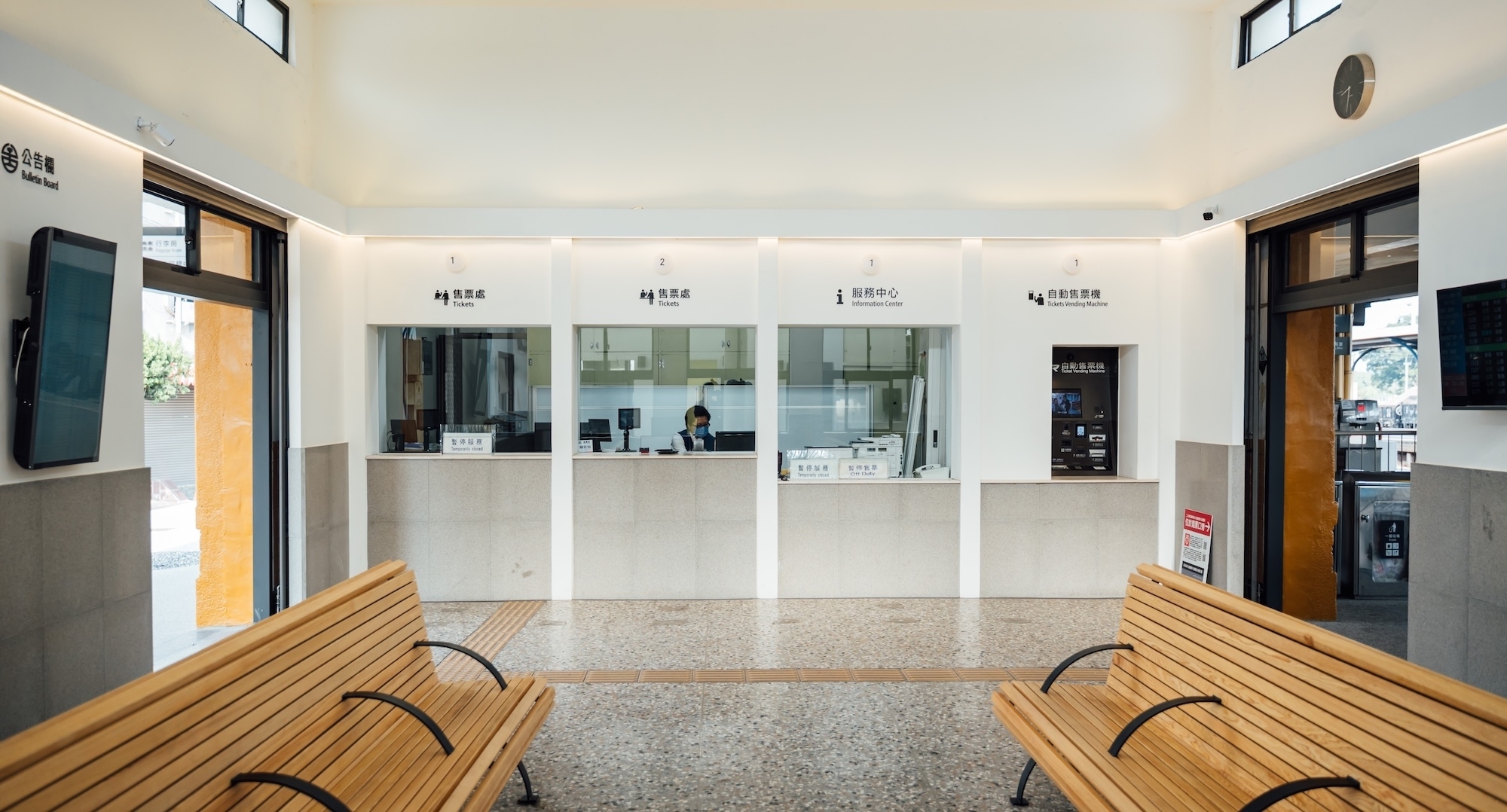
▲ The waiting area circulation was reorganized, with improved accessibility and a calm color palette.
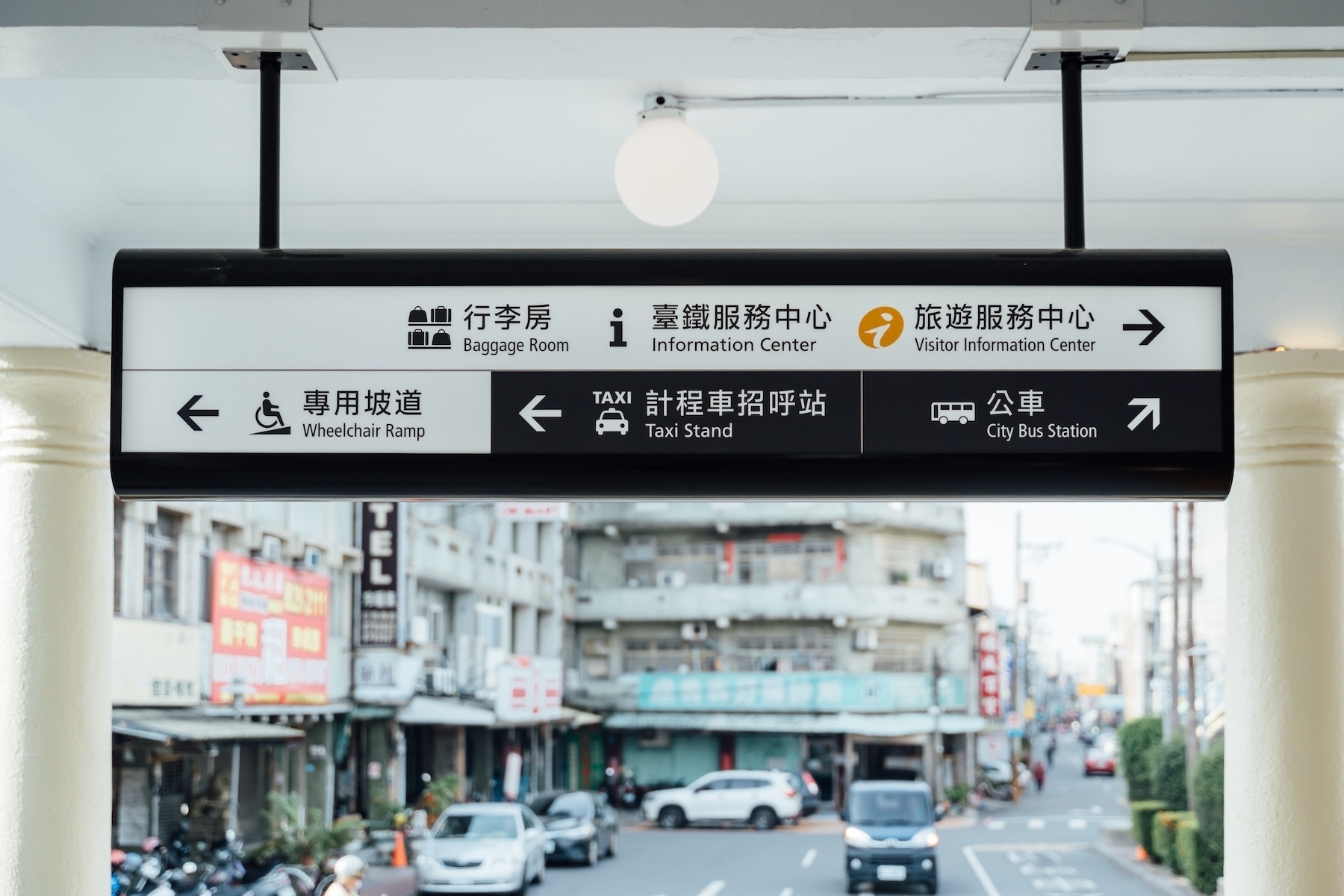 ▲ Through in-depth interviews with different user groups, the design team reorganized the signage system to make passenger circulation and wayfinding more intuitive and clear.
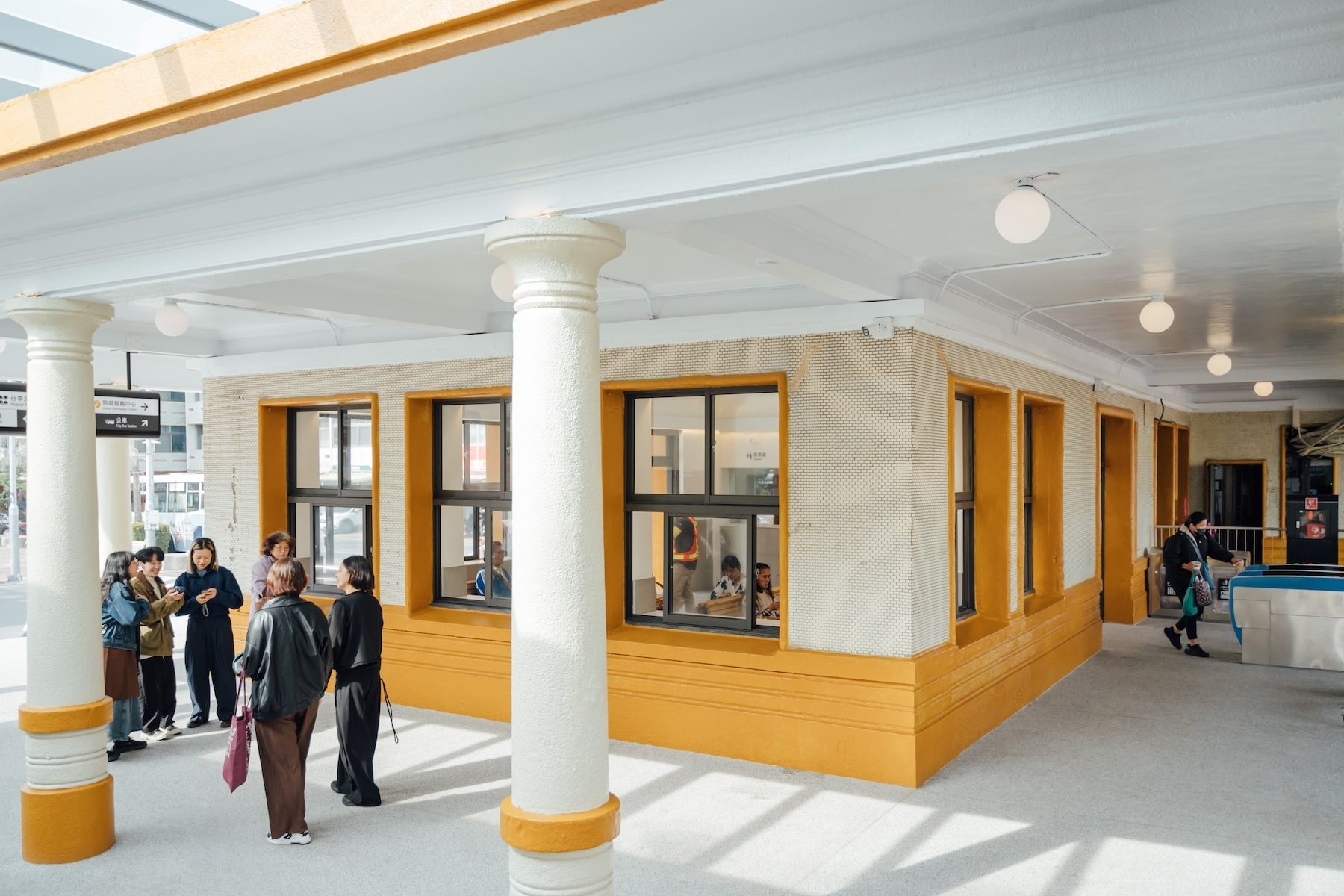 ▲ Art Deco elements—columns, horizontal lines, and window frames—are now visible again.
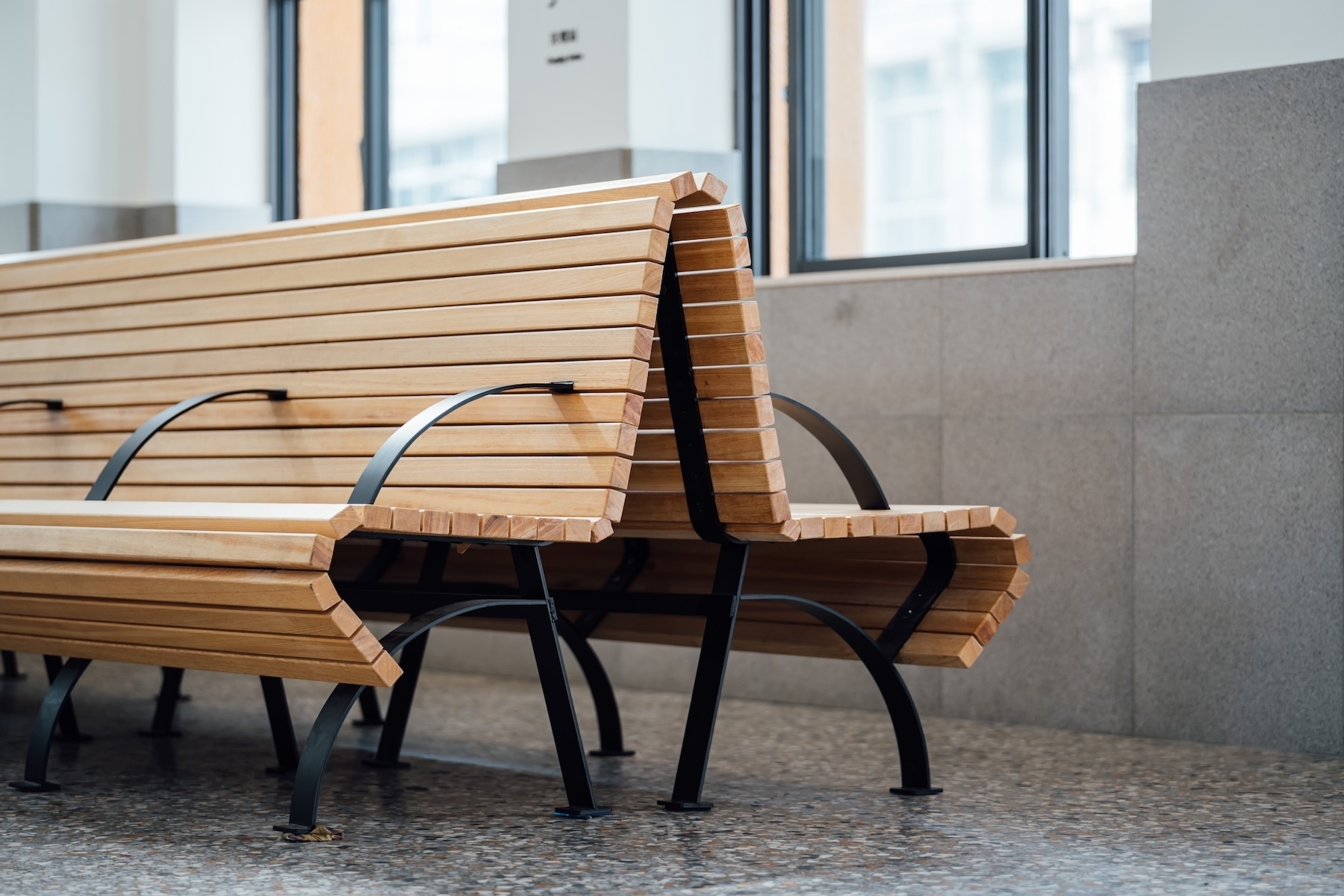 ▲ Custom benches reinterpret historical railway design.
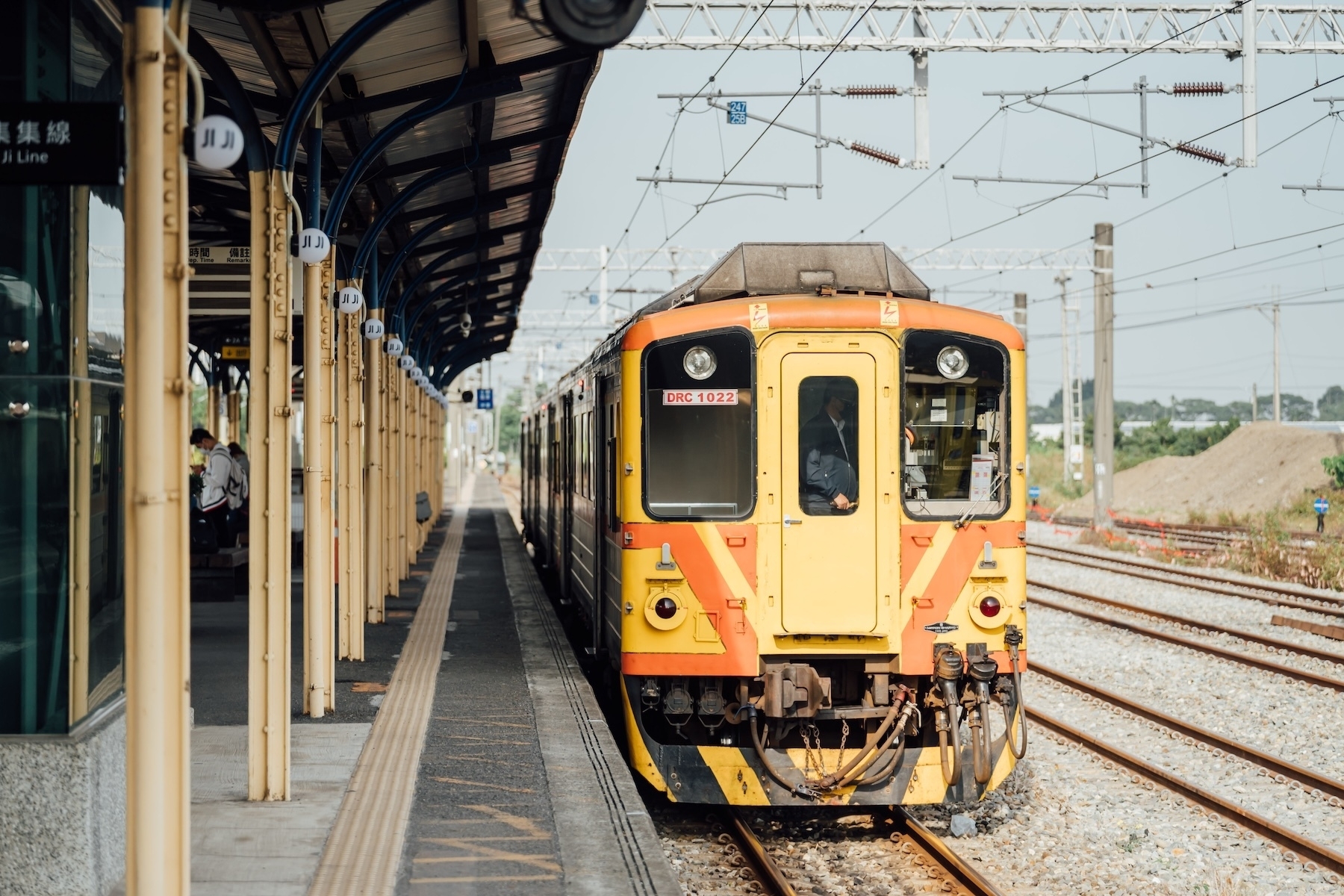 ▲ "JI JI" spherical lights mark the starting point of the Jiji Line.
Design as a Living Part of the City
Approaching the station with a branding perspective, the team redefined not only the station and signage, but also the forecourt, circulation, and drop-off areas. Even though this phase focused on the station itself, the design framework provides a foundation for future expansion.
"The essence of urban design is not to create landmarks, but to reshape everyday life,” Wang emphasized. For local residents, Ershui Station is part of daily routine. As design becomes integrated into everyday experience, it gradually reshapes expectations of public space and quality of life.
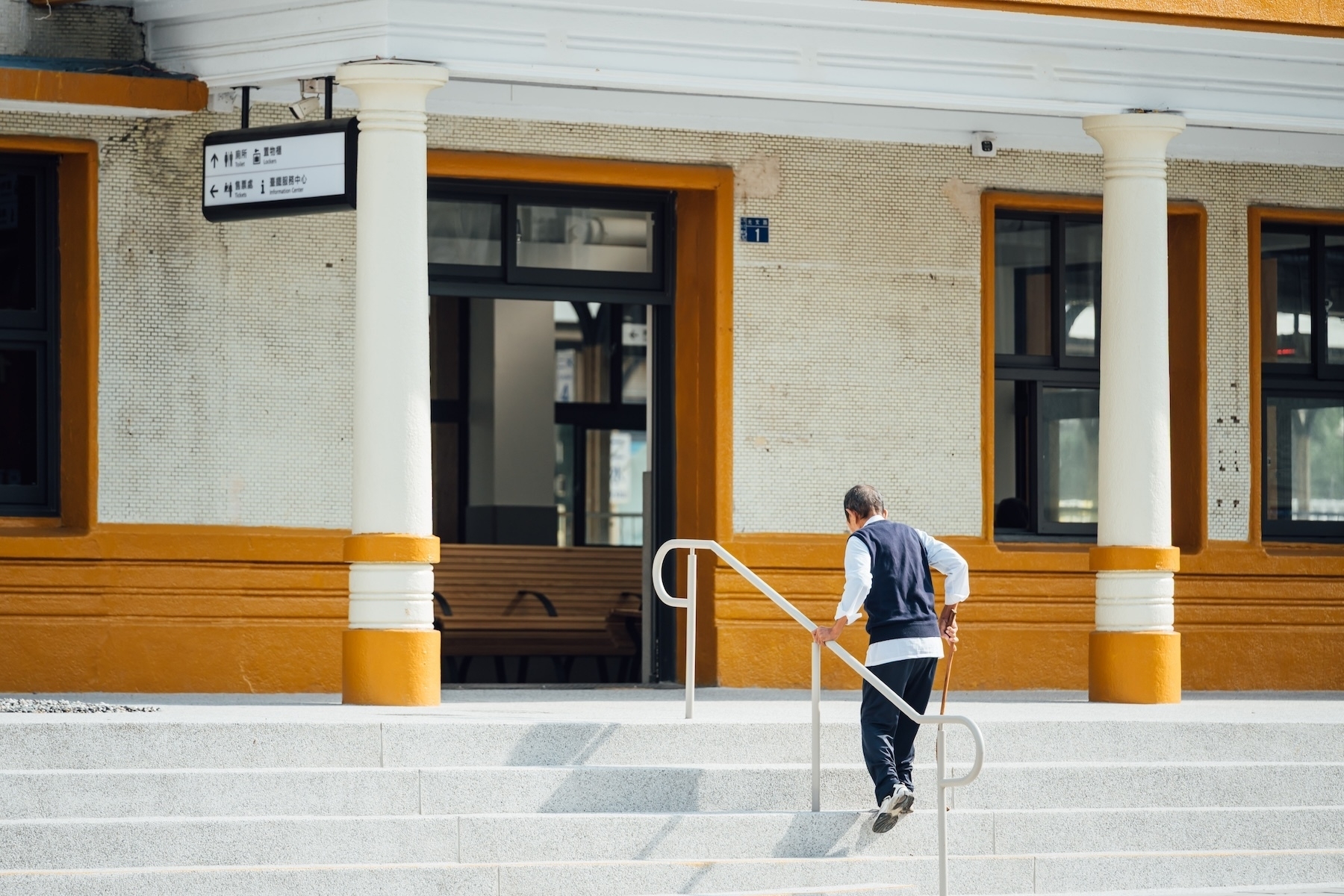 ▲ The ATM, bulletin boards, and ground-level planters on the building façade were reorganized, restoring the structure’s original refined character.
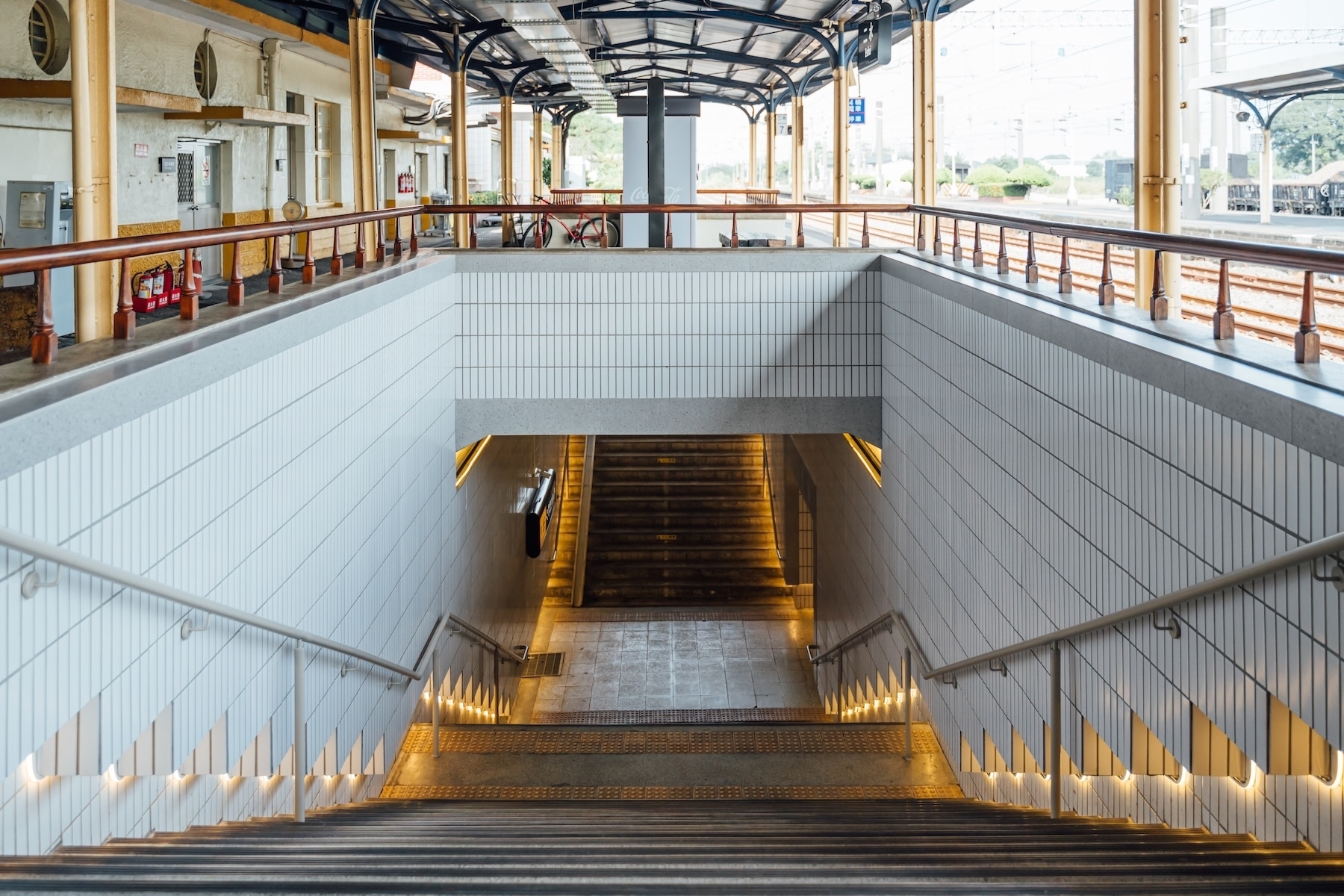 ▲ The underpass leading to Platform 4 of the Jiji Line was redesigned with updated lighting.
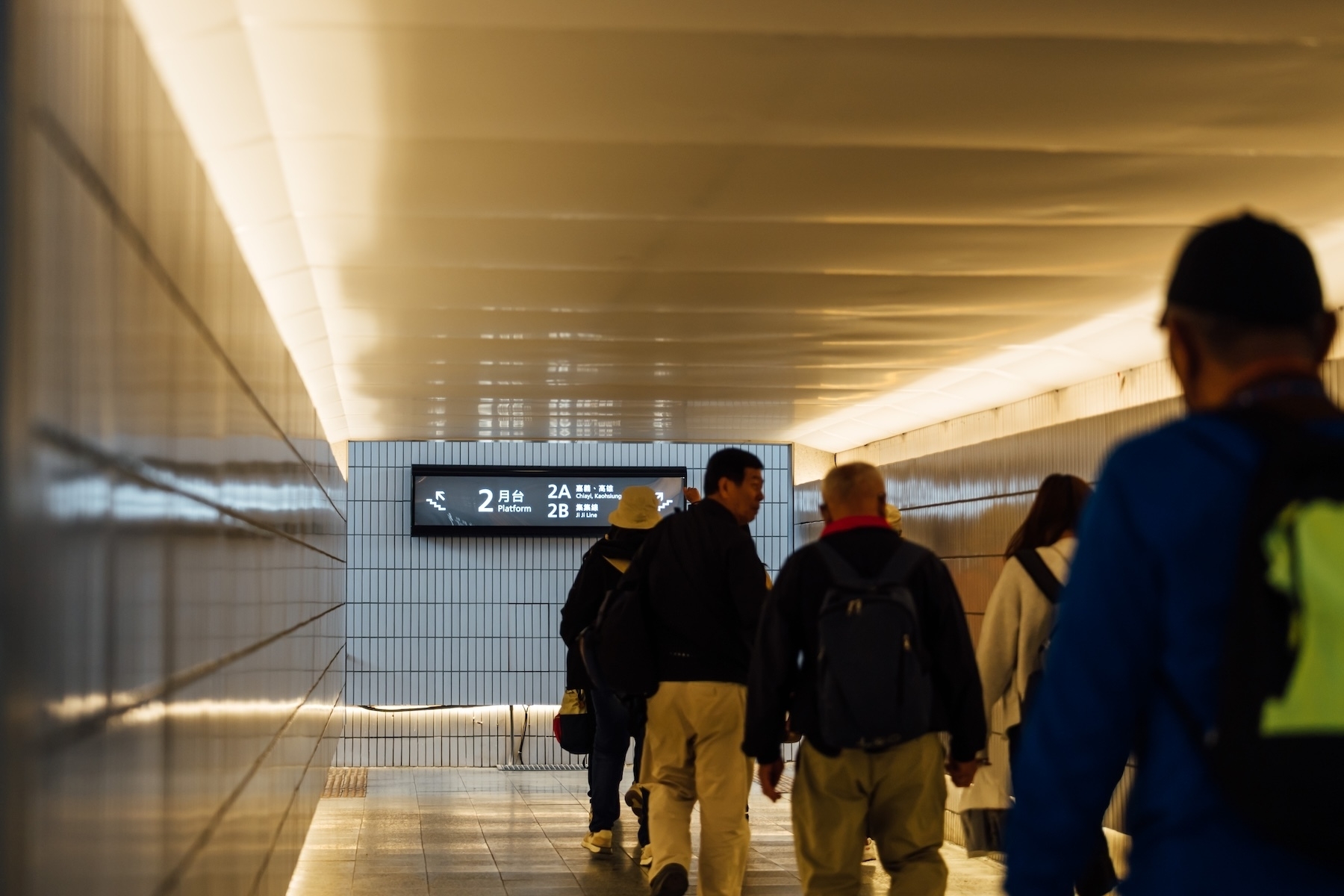 ▲ With the new lighting design, the underpass now presents a softer and more composed visual atmosphere.
Former station master Shen Ping-Yue expressed deep emotion upon seeing the restored architectural details—such as circular windows and colonnades—once hidden by later additions.
Current station master Chen Jian-Feng noted that the new layout improves both functionality and aesthetics while preserving the station's historic character.
"Every journey and every station has its own story,” added Chen Tsung-Hung. "This renovation respects the original landscape and function, allowing the station to carry its history forward into the future.”
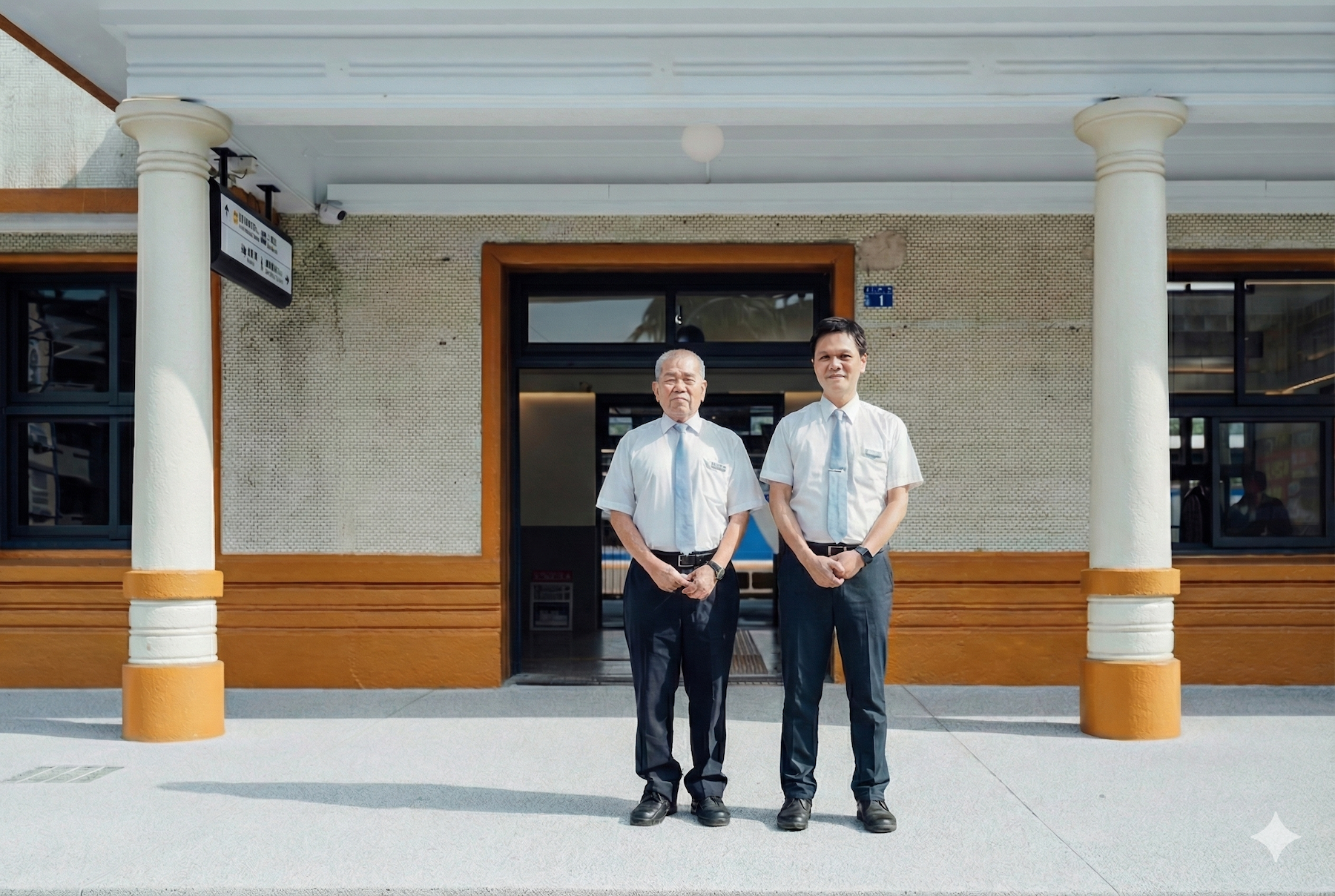
▲ Current station master Chen Jian-Feng (left) and former station master Shen Ping-Yue (right) at Ershui Station.
About The Design Movement for Public
Since 2023, the Industrial Development Administration of the Ministry of Economic Affairs has promoted the project executed by the Taiwan Design Research Institute. The program focuses on small-scale public works projects under NT$50 million, with design planning subsidies up to NT$4.5 million per case.
By integrating cross-disciplinary teams from early-stage research, design thinking, and planning, the program helps public agencies deliver solutions that truly meet people’s needs. Through open calls, government agencies, design teams, and experts co-create together, ensuring aesthetics, function, and user experience are considered in every project.
The project is not merely about renovation—it uses design as a tool to improve public services, enhance quality of life, and reshape the image of cities, advancing Taiwan toward a people-centered, collaborative approach to public space.

Design Movement For Public